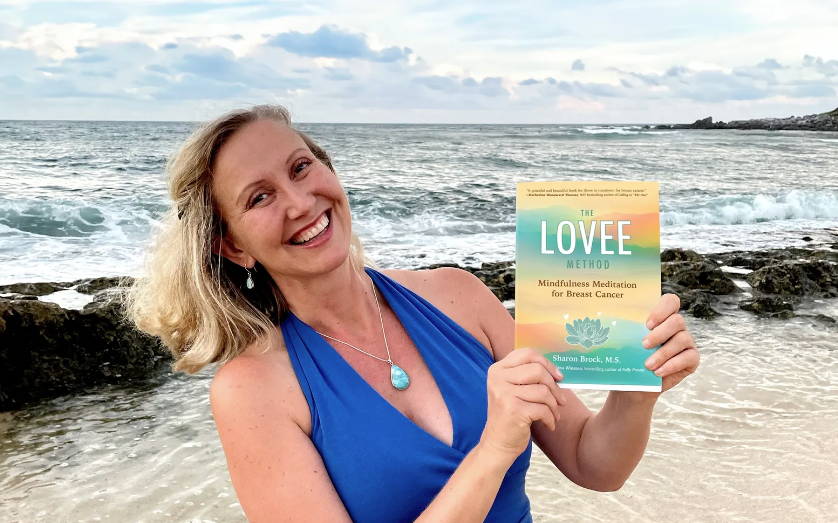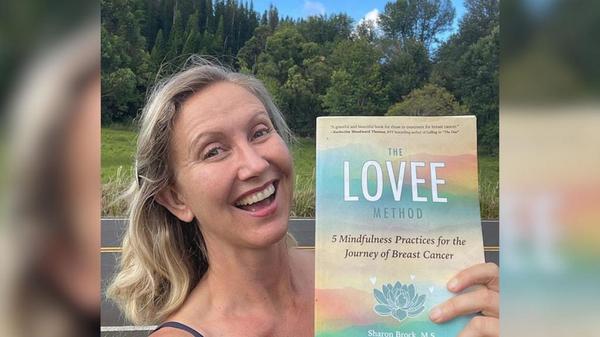
Read my best-selling book about mindfulness for emotional resilience!

The LOVEE Method: Mindfulness Meditation for Breast Cancer

In this teaching memoir,  Sharon shares her personal story of using The LOVEE Method (a 5-step mindfulness tool) to manage difficult emotions during her cancer journey and cultivate ease, resilience, and compassion on her path to becoming cured. The LOVEE Method was a bestseller in seven Amazon categories and at Barnes & Noble. Sharon was featured on several podcasts and news outlets, including "Good Morning America." 

What is it like to work with Sharon?

"I feel fortunate to have worked alongside someone as brilliant, dedicated, and thoughtful as Sharon. She has a wonderful ability to digest and translate a wide array of complex scientific research into something engaging and understandable to the public.  She did an excellent job collaborating with a large group of senior experts at Stanford Lifestyle Medicine to consistently produce high-quality, research-backed articles and outstanding webinars. Sharon's strategic vision, editorial excellence, and kind presence made her an invaluable asset to the team."

- Rusly Harsono, Stanford MD

"It was a pleasure to work alongside Sharon Brock at Stanford Lifestyle Medicine. She consistently produced excellent, well-researched articles. When writing profiles, she was masterful at capturing her subjects' characters and telling their stories in a creative and compelling way. On an interpersonal level, Sharon is a warm and effective leader who fosters a welcoming, collaborative, and productive environment while facilitating meetings. I highly recommend Sharon for any editorial and leadership role."

Rachele Pojednic, PhD, Stanford Lecturer & Researcher

"Sharon is an inspiring and empathic listener whose deep care for wellbeing and whole human flourishing is immediately apparent. When working with her on an article for Stanford Lifestyle Medicine, I was struck by how easily she could frame the content, produce a truly compelling piece, and devise two additional story ideas to make it practical and actionable for the readers. Sharon would be an asset to any communications team. She is highly organized, very easy to work with, and an absolute pleasure of a human being." 

Diane Friedlaender, PhD, Stanford Lecturer

"Sharon served as a fantastic manager and mentor to me at Stanford Lifestyle Medicine. Her genuine willingness to connect and kindness when providing constructive feedback are two qualities that made me feel seen and appreciated. While leading her team, she created a foundation of mutual trust, respect, and appreciation that elicited our best work. She established an organized workflow, communicated expectations clearly, and always went the extra mile to offer guidance and support. I will miss working with Sharon and her loving charisma."

Nicole Molumphy, BS, content creator managed by Sharon

Editorial Director Health, Wellness, Medical, & Longevity Science Communications

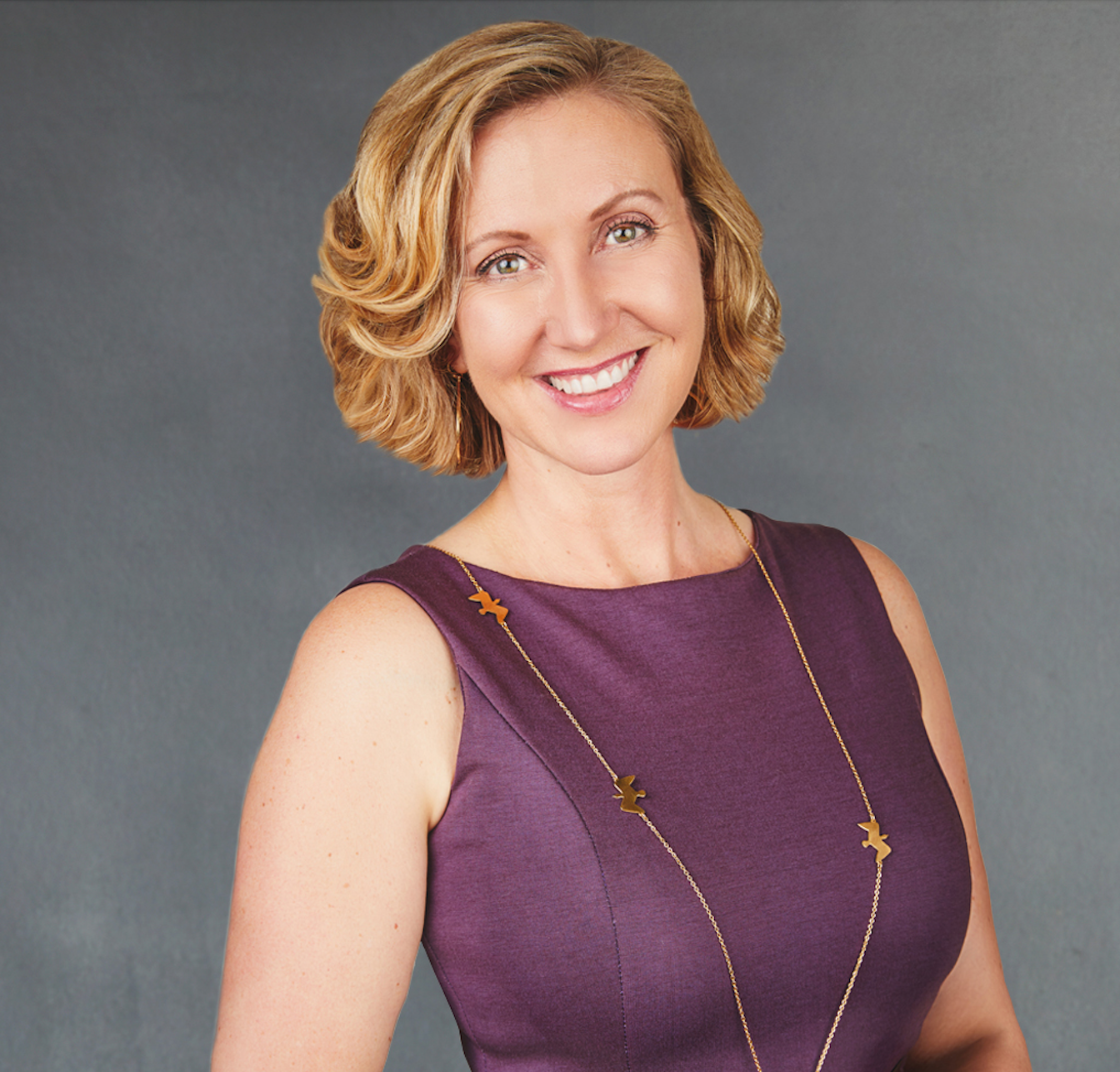
Hello! I'm Sharon

Senior Editorial Leader with 16 years of experience in health, wellness, and medical communications, specializing in longevity science, translating complex research findings into engaging and accessible multimedia content. Skilled in content strategy, content marketing, SEO, and AI optimization. Master's degree in science journalism from Columbia University.

Recent Managing Editor of an online publication at Stanford Medicine, containing evidence-based articles on lifestyle medicine topics (see clips below), with an average email open rate of 71%. Grew the email list from 400 to more than 18,000 subscribers in three years, and produced and marketed webinars with world-class health experts, having ~2,000 registrants. 

Best-selling author, featured on "Good Morning America."

Stanford Lifestyle Medicine Clips

Exercise

Recommended Exercises for Adults 50+

By Sharon Brock, MEd, MS

Adults 50+ should choose exercises that promote these three aspects of fitness: strength, endurance, and balance.
Stanford researchers analyzed the benefits and risks of the following exercises:
It is well known that exercise is crucial for overall health; however, as we age, it’s essential to know which exercises are best to increase longevity and quality of life. For older adults (defined as 50 and above), the three main goals regarding physical activity are to build...
How to Modify Exercises for Those with Arthritis

By Sharon Brock, MS, MEd

For those living with arthritis, it’s hard to know whether exercise is helpful or harmful. Many people stop exercising altogether to avoid pain, but this can sometimes make the pain worse. So, rather than becoming sedentary, we can choose low-impact exercises or make modifications to our current routines to help us stay active and mobile in the long run.
It may seem counterintuitive, but exercise can actually reduce joint pain, affirming that movement can serve as medici...
How to Get More Benefits from 10,000 Steps per Day

By Sharon Brock, MS, MEd

Many of you are familiar with the 10,000-steps-a-day walking trend, but you may not know where it originated. The idea of walking 10,000 steps per day did not come from scientific research; rather, it came from a marketing campaign for a pedometer ahead of the 1964 Tokyo Olympics. Since the Japanese symbol for 10,000 looks somewhat similar to a person walking (see image below), the pedometer was named Manpo-kei or 10,000 steps meter, and the 10,000-step-a-day walking tr...
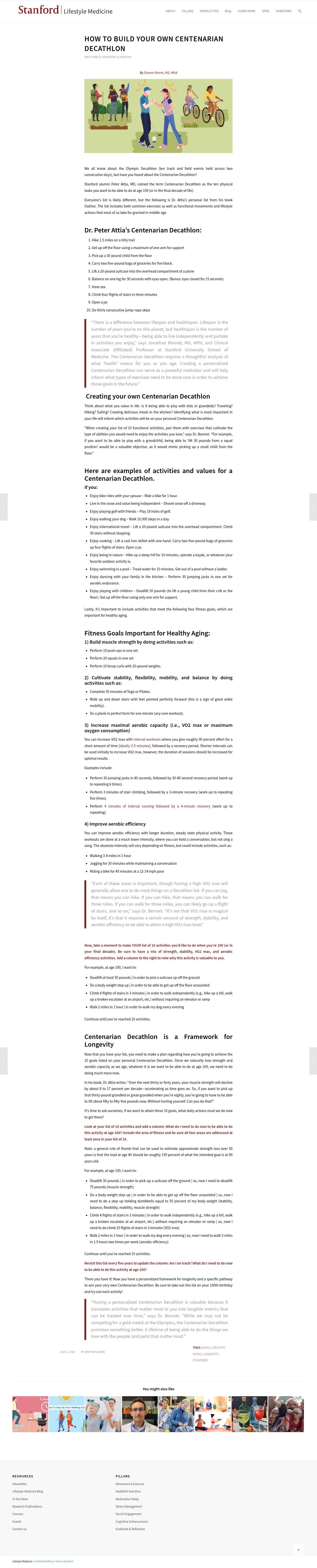
How to Build Your Own Centenarian Decathlon

By Sharon Brock, MS, MEd
 
We all know about the Olympic Decathlon (ten track and field events held across two consecutive days), but have you heard about the Centenarian Decathlon?
Stanford alumni Peter Attia, MD, coined the term Centenarian Decathlon as the ten physical tasks you want to be able to do at age 100 (or in the final decade of life).
Everyone’s list is likely different, but the following is Dr. Attia’s personal list from his book Outlive. The list includes both common exercises as...

Nutrition

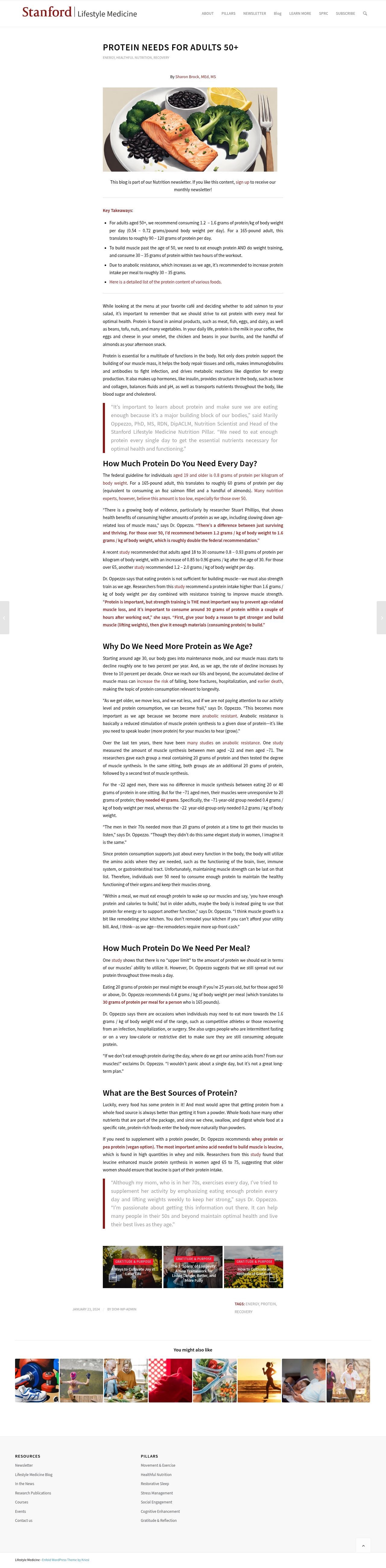
Alcohol: Is There a Healthy Way to Drink?

By Sharon Brock, MEd, MS

“Salud!” If you’ve ever raised a glass to your health, you’re not alone. For decades, many have believed that minimal alcohol consumption is potentially beneficial for your health. However, not every researcher would agree. A growing body of evidence reveals health concerns about alcohol use, making it crucial to understand the spectrum from harmless to harmful levels of consumption to keep your body healthy. 
Experts have conflicting views regarding how much alcohol ca...

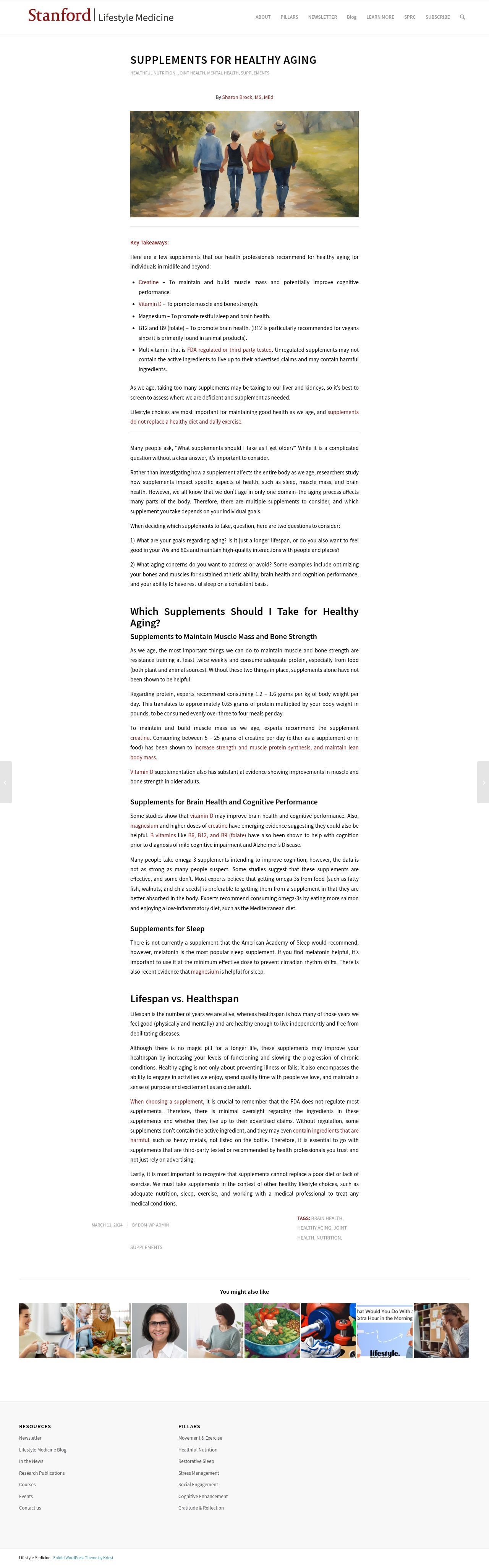
Supplements for Healthy Aging

By Sharon Brock, MS, MEd

Key Takeaways:
Here are a few supplements that our health professionals recommend for healthy aging for individuals in midlife and beyond:
As we age, taking too many supplements may be taxing to our liver and kidneys, so it’s best to screen to assess where we are deficient and supplement as needed.
Lifestyle choices are most important for maintaining good health as we age, and supplements do not replace a healthy diet and daily exercise.
Many people ask, “What supplemen...

What is Fiber and Why is it Important for the Microbiome?

By Sharon Brock, MEd, MS

Key Takeaways: 
Fiber not only helps us stay regular, but it also supports a healthy gut microbiome, which is crucial for overall health. Studies show that getting enough fiber strengthens the immune system, supports gut health, reduces inflammation and risk for heart disease, stroke, hypertension, obesity, Type 2 diabetes, and several cancers, including colon and breast cancer.
Although the Institute of Medicine recommends consuming 19-38 grams of fiber per day, nation...

Sleep

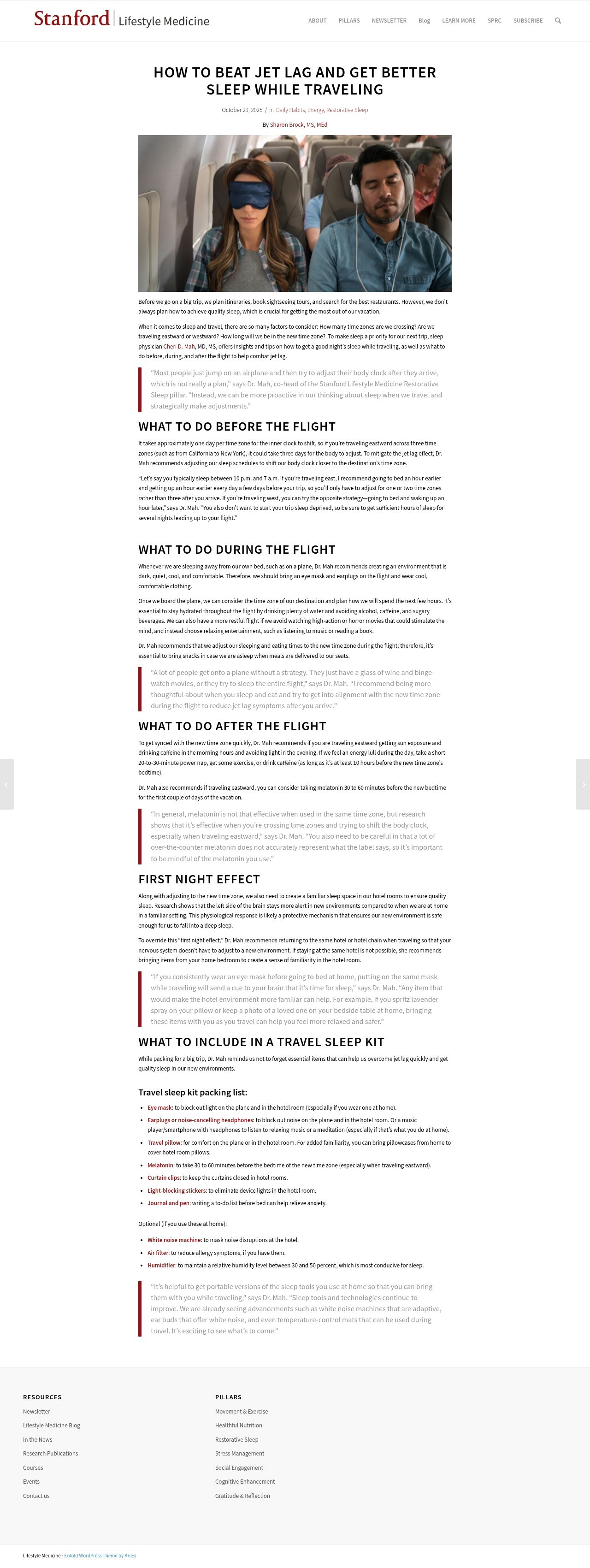
How to Beat Jet Lag and Get Better Sleep While Traveling

By Sharon Brock, MS, MEd

Before we go on a big trip, we plan itineraries, book sightseeing tours, and search for the best restaurants. However, we don’t always plan how to achieve quality sleep, which is crucial for getting the most out of our vacation.
When it comes to sleep and travel, there are so many factors to consider: How many time zones are we crossing? Are we traveling eastward or westward? How long will we be in the new time zone?  To make sleep a priority for our next trip, sleep phy...

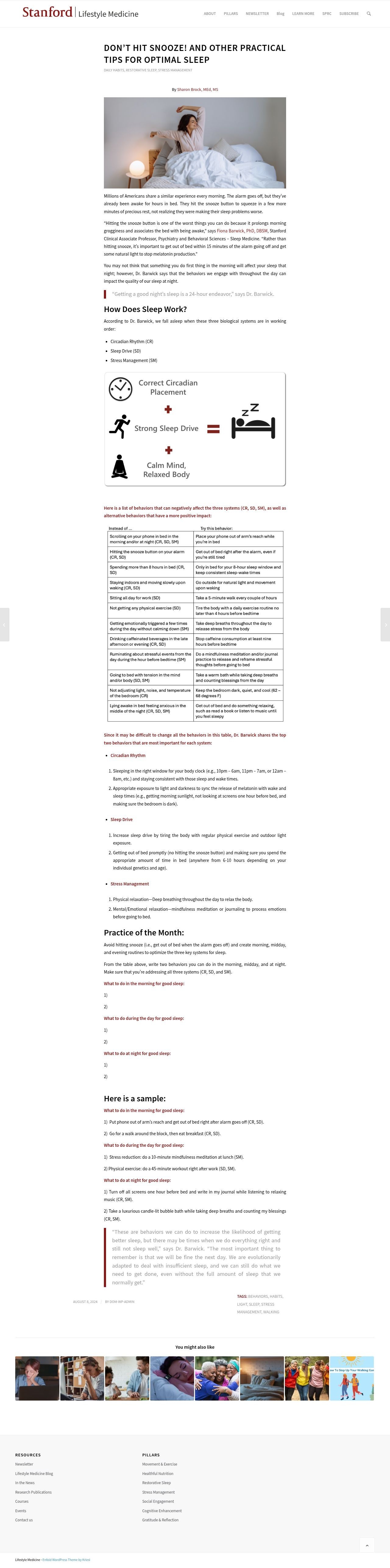
Don’t Hit Snooze! And Other Practical Tips for Optimal Sleep

By Sharon Brock, MEd, MS

Millions of Americans share a similar experience every morning. The alarm goes off, but they’ve already been awake for hours in bed. They hit the snooze button to squeeze in a few more minutes of precious rest, not realizing they were making their sleep problems worse.
“Hitting the snooze button is one of the worst things you can do because it prolongs morning grogginess and associates the bed with being awake,” says Fiona Barwick, PhD, DBSM, Stanford Clinical Associate...

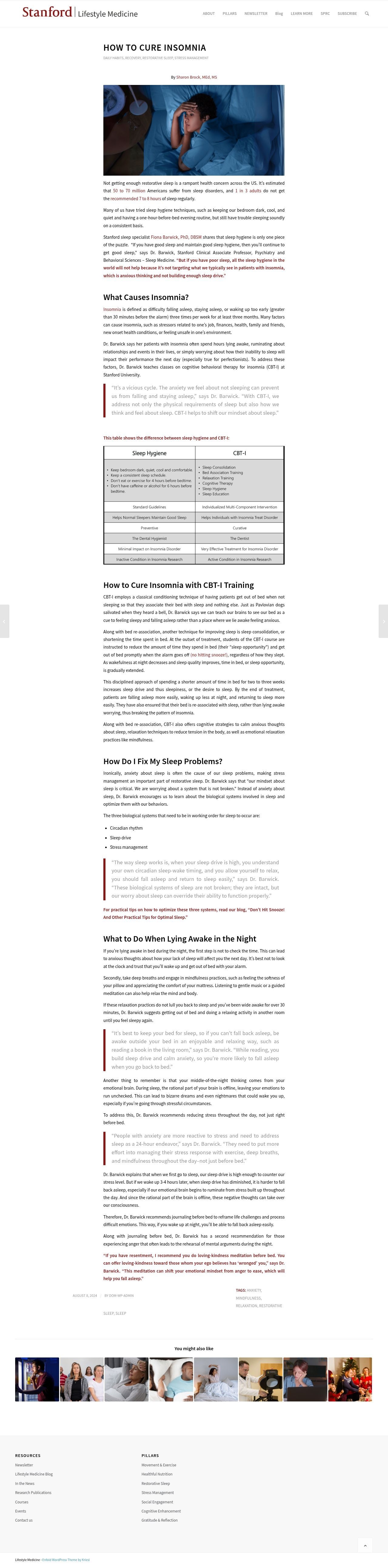
How to Cure Insomnia

By Sharon Brock, MEd, MS

Not getting enough restorative sleep is a rampant health concern across the US. It’s estimated that 50 to 70 million Americans suffer from sleep disorders, and 1 in 3 adults do not get the recommended 7 to 8 hours of sleep regularly.
Many of us have tried sleep hygiene techniques, such as keeping our bedroom dark, cool, and quiet and having a one-hour-before-bed evening routine, but still have trouble sleeping soundly on a consistent basis.
Stanford sleep specialist Fio...

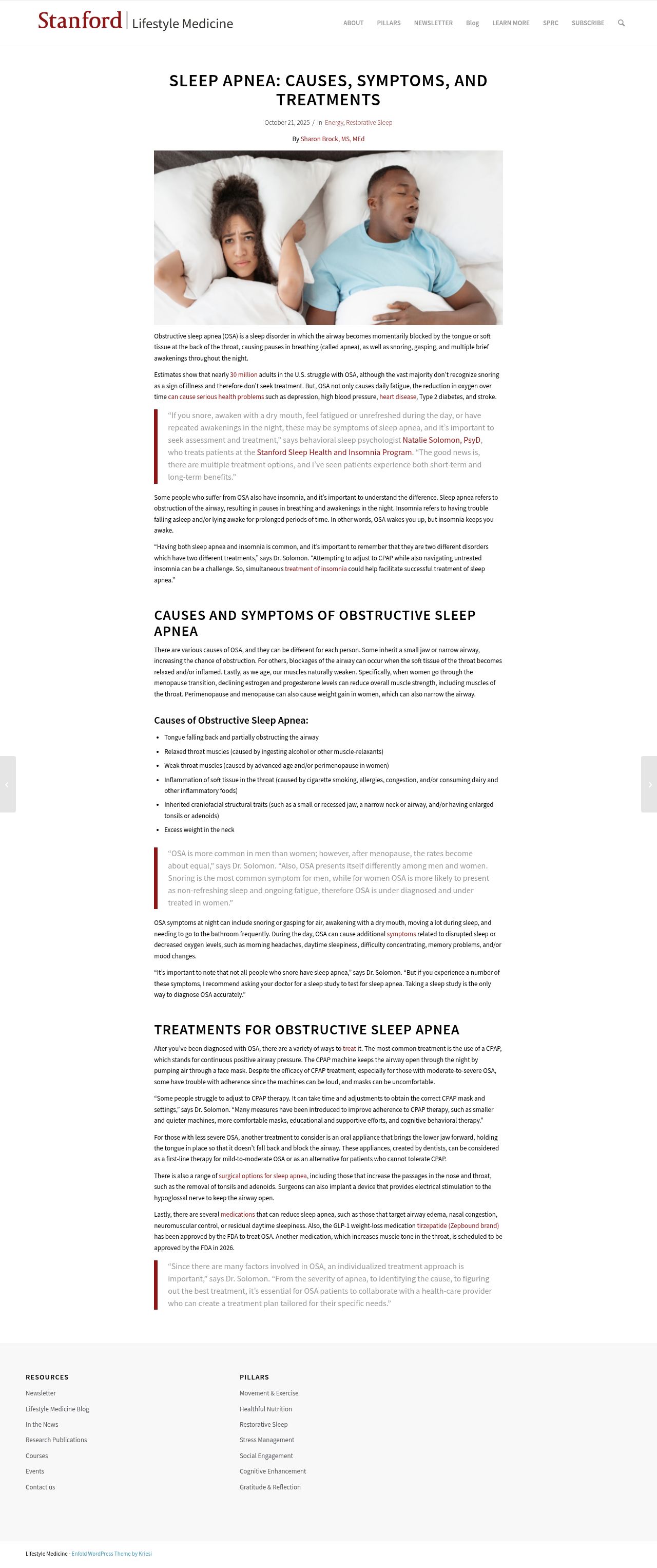
Sleep Apnea: Causes, Symptoms, and Treatments

By Sharon Brock, MS, MEd

Obstructive sleep apnea (OSA) is a sleep disorder in which the airway becomes momentarily blocked by the tongue or soft tissue at the back of the throat, causing pauses in breathing (called apnea), as well as snoring, gasping, and multiple brief awakenings throughout the night.
Estimates show that nearly 30 million adults in the U.S. struggle with OSA, although the vast majority don’t recognize snoring as a sign of illness and therefore don’t seek treatment. But, OSA not...

Brain Health

Jumping into the Ice Bath Trend! Brain Health Benefits of Cold Water Immersion

By Sharon Brock, MS, MEd

Key Takeaways
Have you ever considered how taking a cold plunge might affect your mental state? Beyond the initial shock, CWI is proving to have profound effects on brain health and mental well-being. Initially popular as a recovery technique among athletes, it has now evolved into a bold wellness practice for those seeking to enhance their overall health. This practice, which involves plunging into cold water (roughly 10-15°C, 50-60°F), has ignited significant research...

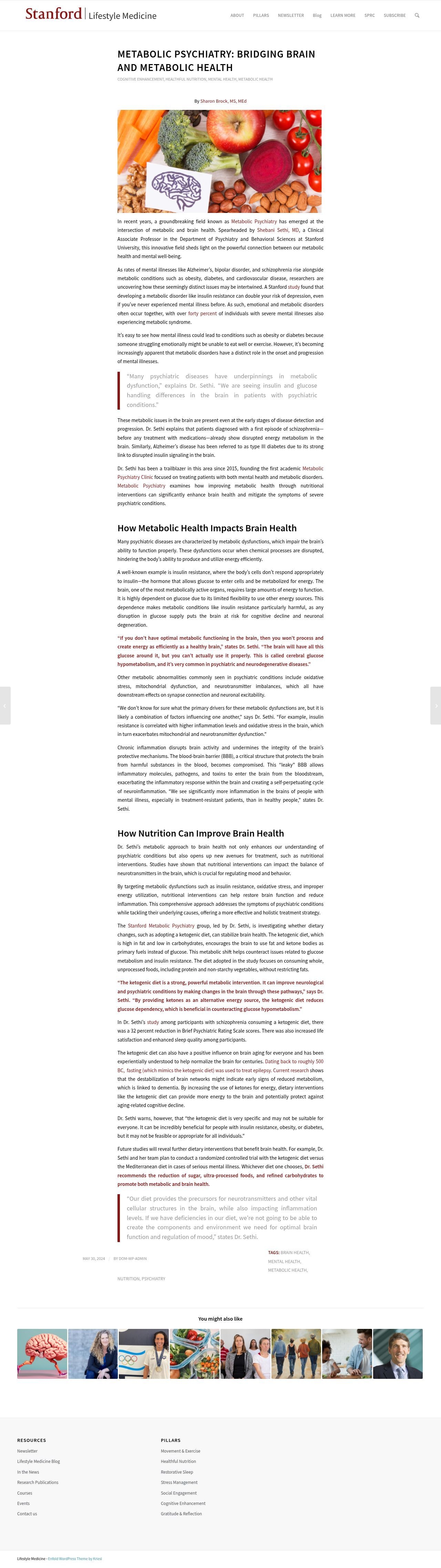
Metabolic Psychiatry: Bridging Brain and Metabolic Health

By  Sharon Brock, MS, MEd

In recent years, a groundbreaking field known as Metabolic Psychiatry has emerged at the intersection of metabolic and brain health. Spearheaded by Shebani Sethi, MD, a Clinical Associate Professor in the Department of Psychiatry and Behavioral Sciences at Stanford University, this innovative field sheds light on the powerful connection between our metabolic health and mental well-being.
As rates of mental illnesses like Alzheimer’s, bipolar disorder, and schizophrenia...

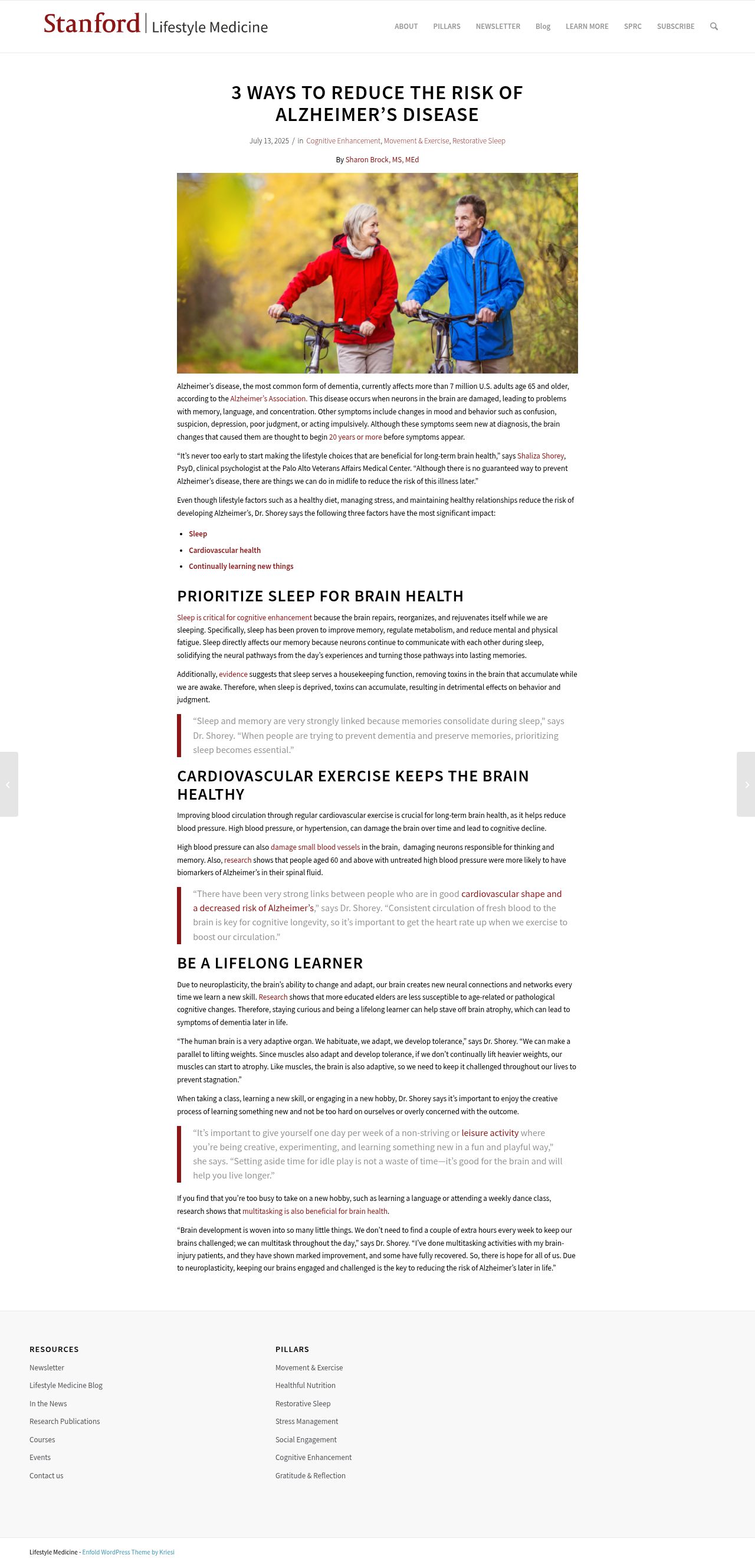
3 Ways to Reduce the Risk of Alzheimer’s Disease

By Sharon Brock, MS, MEd

Alzheimer’s disease, the most common form of dementia, currently affects more than 7 million U.S. adults age 65 and older, according to the Alzheimer’s Association. This disease occurs when neurons in the brain are damaged, leading to problems with memory, language, and concentration. Other symptoms include changes in mood and behavior such as confusion, suspicion, depression, poor judgment, or acting impulsively. Although these symptoms seem new at diagnosis, the brain...

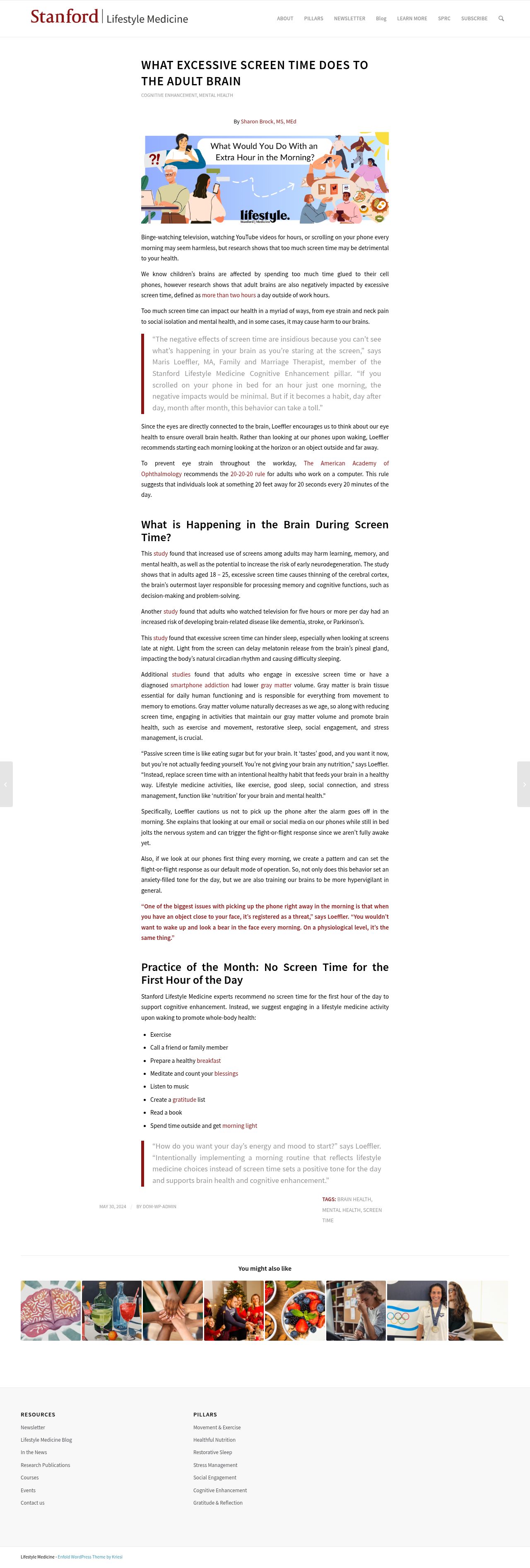
What Excessive Screen Time Does to the Adult Brain

By Sharon Brock, MS, MEd

Binge-watching television, watching YouTube videos for hours, or scrolling on your phone every morning may seem harmless, but research shows that too much screen time may be detrimental to your health.
We know children’s brains are affected by spending too much time glued to their cell phones, however research shows that adult brains are also negatively impacted by excessive screen time, defined as more than two hours a day outside of work hours.
Too much screen time ca...

Social Health

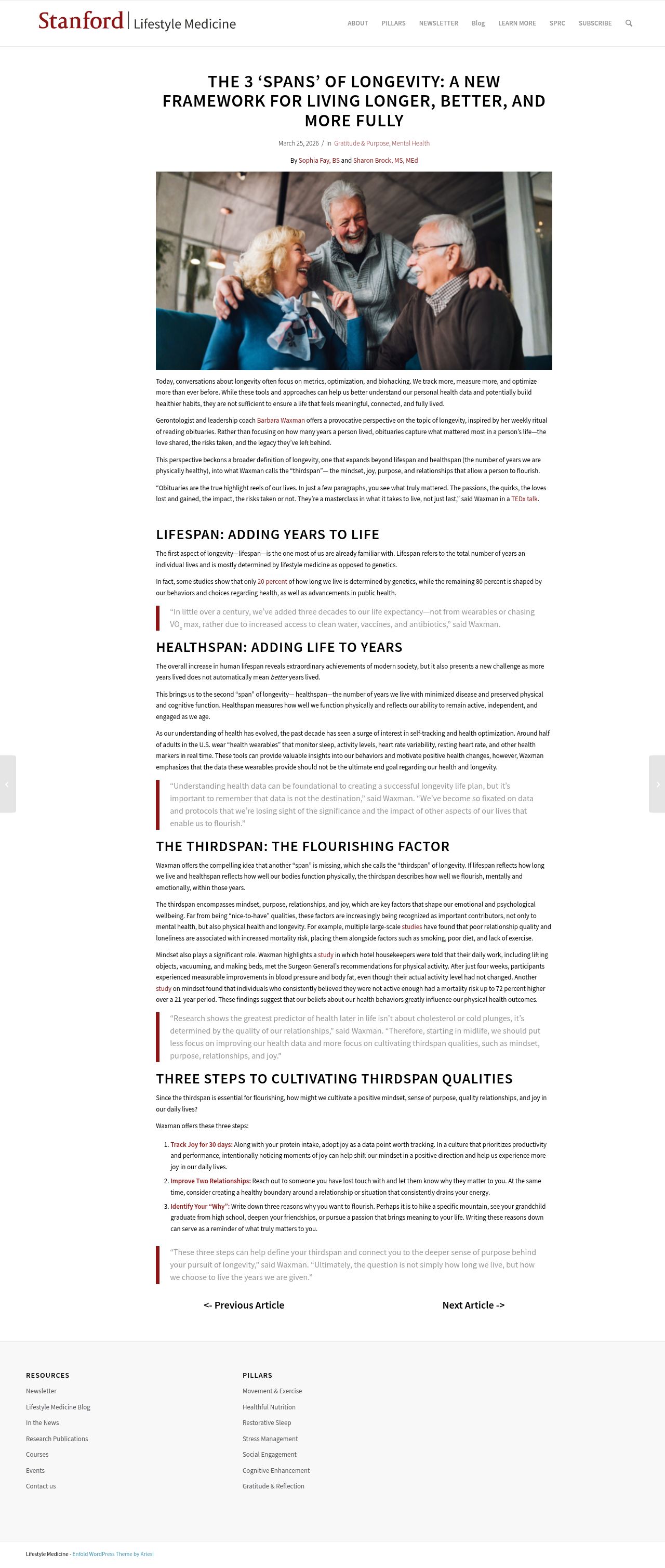
The 3 ‘Spans’ of Longevity: A New Framework for Living Longer, Better, and More Fully

By Sharon Brock, MS, MEd

Today, conversations about longevity often focus on metrics, optimization, and biohacking. We track, measure, and optimize more than ever before. While these tools and approaches can help us better understand our personal health data and potentially build healthier habits, they are not sufficient to ensure a life that feels meaningful, connected, and fully lived.
Gerontologist and leadership coach Barbara Waxman offers a provocative perspecti...

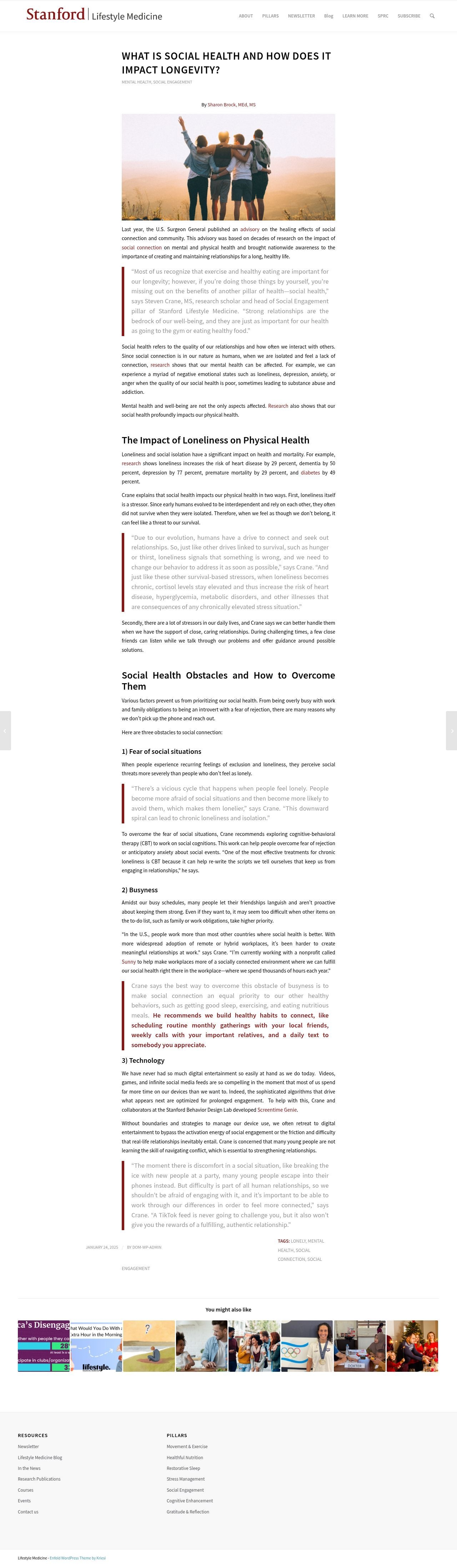
What is Social Health and How Does it Impact Longevity?

By Sharon Brock, MEd, MS

Last year, the U.S. Surgeon General published an advisory on the healing effects of social connection and community. This advisory was based on decades of research on the impact of social connection on mental and physical health and brought nationwide awareness to the importance of creating and maintaining relationships for a long, healthy life.
Social health refers to the quality of our relationships and how often we interact with others. Since social connection is in...

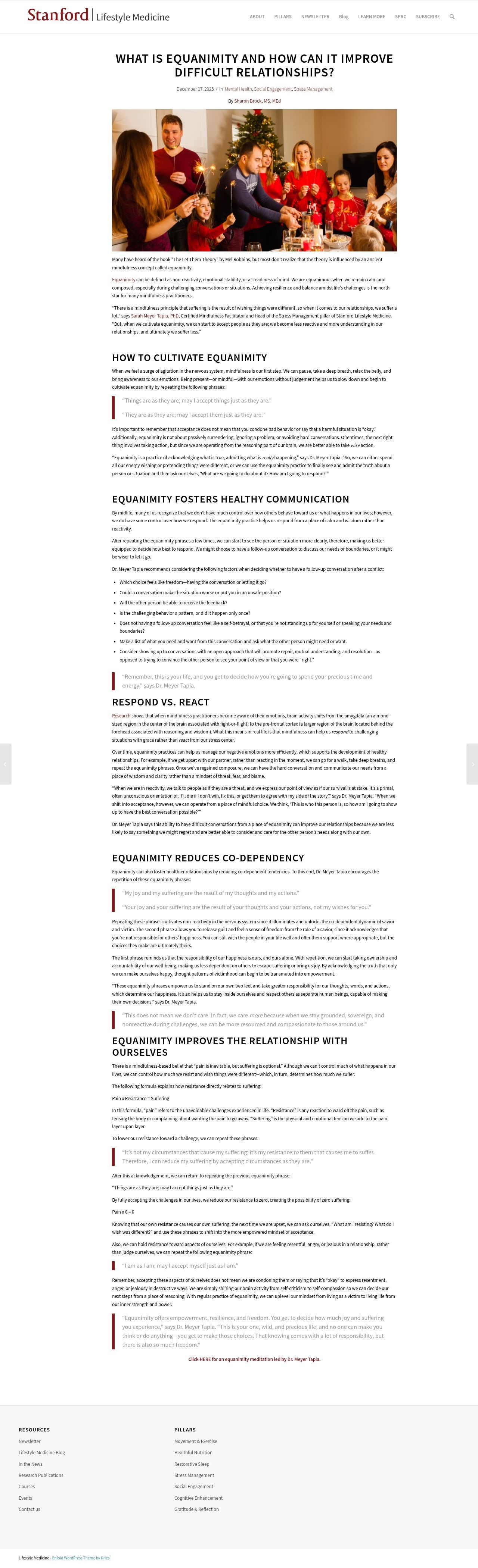
What is Equanimity and How Can it Improve Difficult Relationships?

By Sharon Brock, MS, MEd

Many have heard of the book “The Let Them Theory” by Mel Robbins, but most don’t realize that the theory is influenced by an ancient mindfulness concept called equanimity.
Equanimity can be defined as non-reactivity, emotional stability, or a steadiness of mind. We are equanimous when we remain calm and composed, especially during challenging conversations or situations. Achieving resilience and balance amidst life’s challenges is the north star for many mindfulness prac...

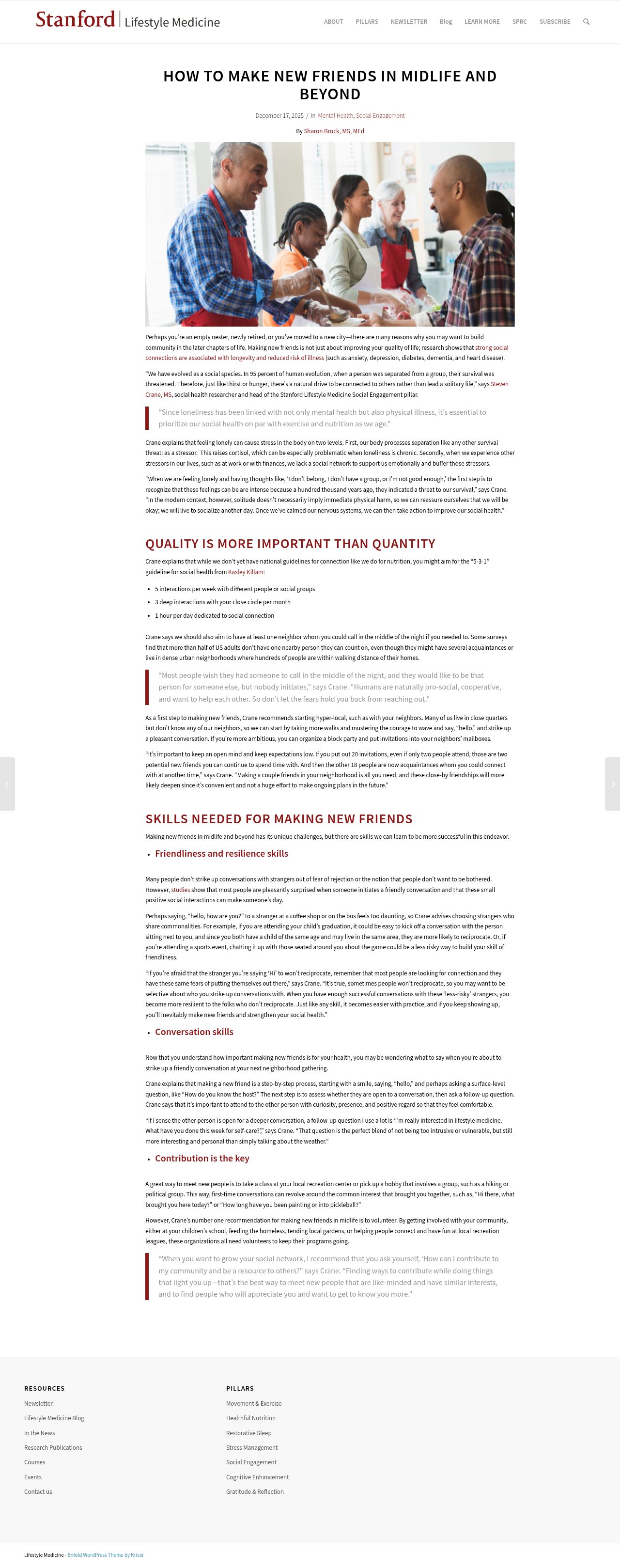
How to Make New Friends in Midlife and Beyond

By Sharon Brock, MS, MEd

Perhaps you’re an empty nester, newly retired, or you’ve moved to a new city—there are many reasons why you may want to build community in the later chapters of life. Making new friends is not just about improving your quality of life; research shows that strong social connections are associated with longevity and reduced risk of illness (such as anxiety, depression, diabetes, dementia, and heart disease).
“We have evolved as a social species. In 95 percent of human evol...

Mental Health

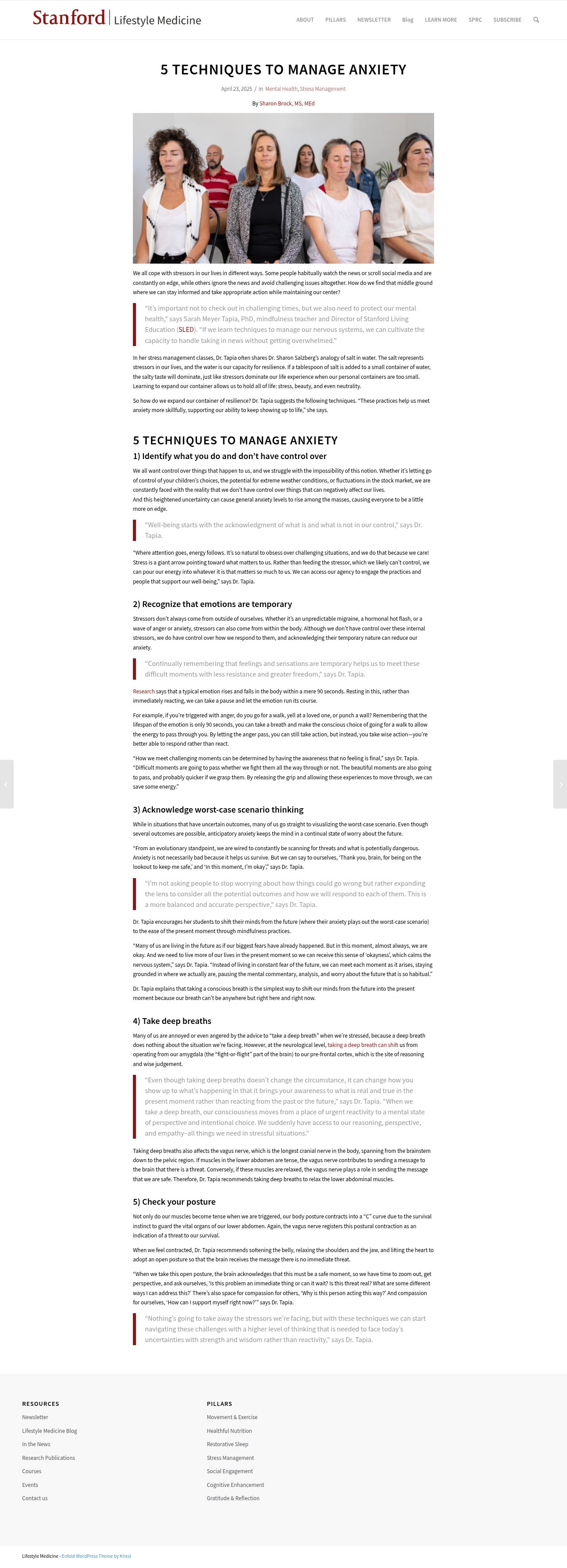
5 Techniques to Manage Anxiety

By Sharon Brock, MS, MEd

We all cope with stressors in our lives in different ways. Some people habitually watch the news or scroll social media and are constantly on edge, while others ignore the news and avoid challenging issues altogether. How do we find that middle ground where we can stay informed and take appropriate action while maintaining our center?
In her stress management classes, Dr. Tapia often shares Dr. Sharon Salzberg’s analogy of salt in water. The salt represents stressors in...

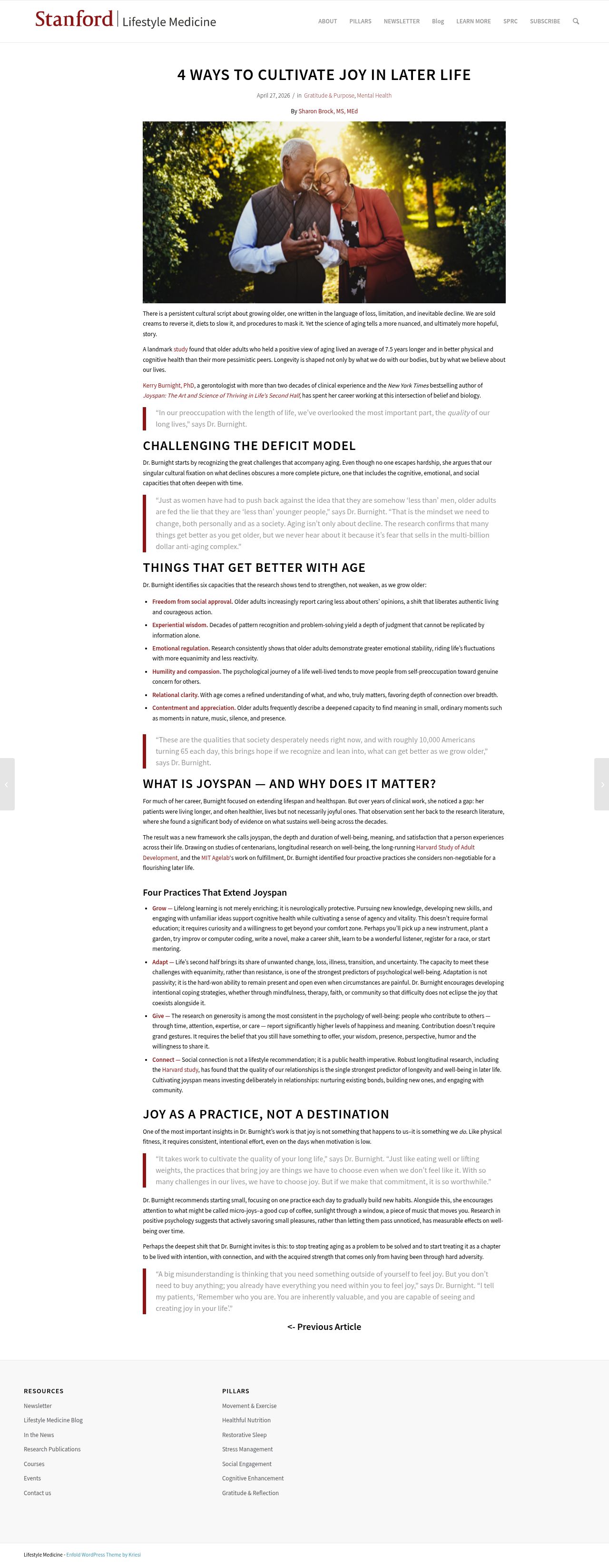
4 Ways to Cultivate Joy in Later Life

By Sharon Brock, MS, MEd

There is a persistent cultural script about growing older, one written in the language of loss, limitation, and inevitable decline. We are sold creams to reverse it, diets to slow it, and procedures to mask it. Yet the science of aging tells a more nuanced, and ultimately more hopeful, story.
A landmark study found that older adults who held a positive view of aging lived an average of 7.5 years longer and in better physical and cognitive health than their more pessimist...

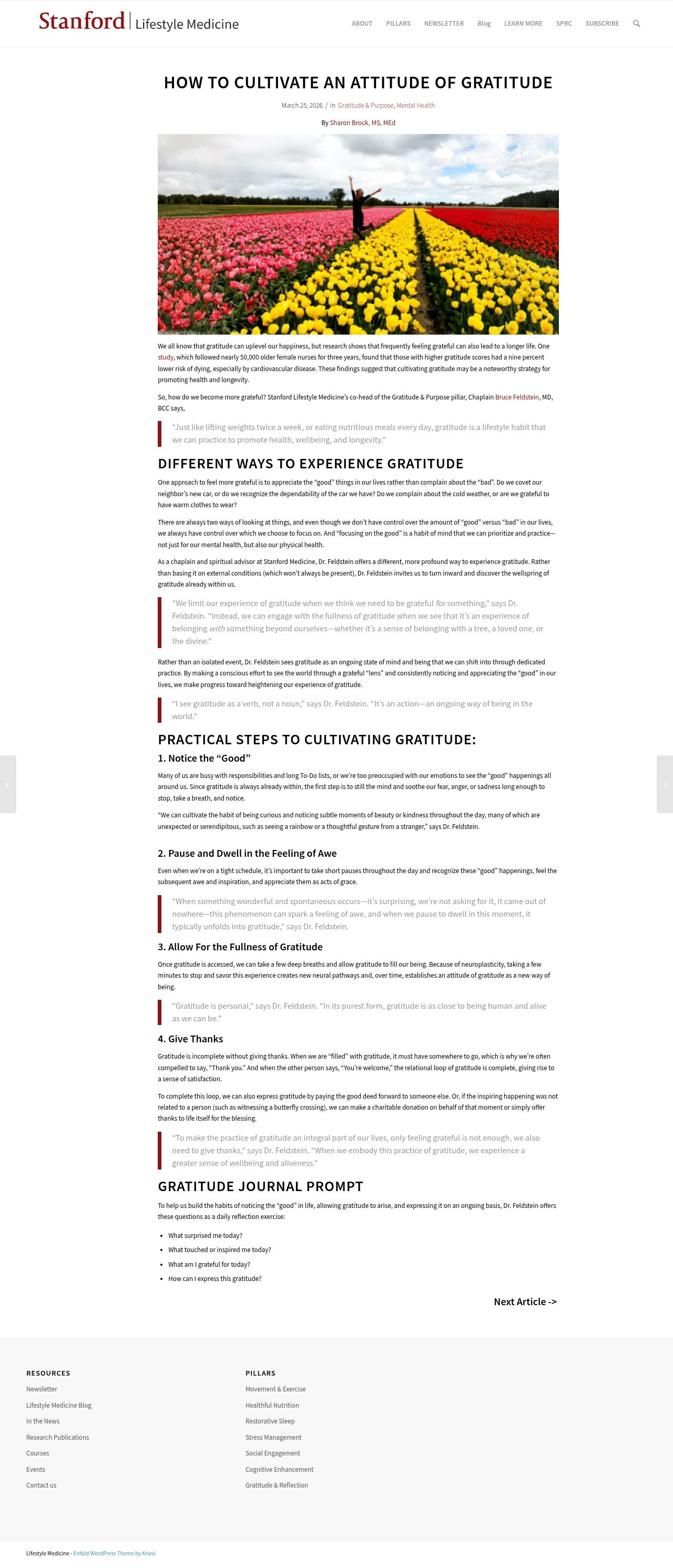
How to Cultivate an Attitude of Gratitude

By Sharon Brock, MS, MEd

We all know that gratitude can uplevel our happiness, but research shows that frequently feeling grateful can also lead to a longer life. One study, which followed nearly 50,000 older female nurses for three years, found that those with higher gratitude scores had a nine percent lower risk of dying, especially by cardiovascular disease. These findings suggest that cultivating gratitude may be a noteworthy strategy for promoting health and longevity.
So, how do we become...

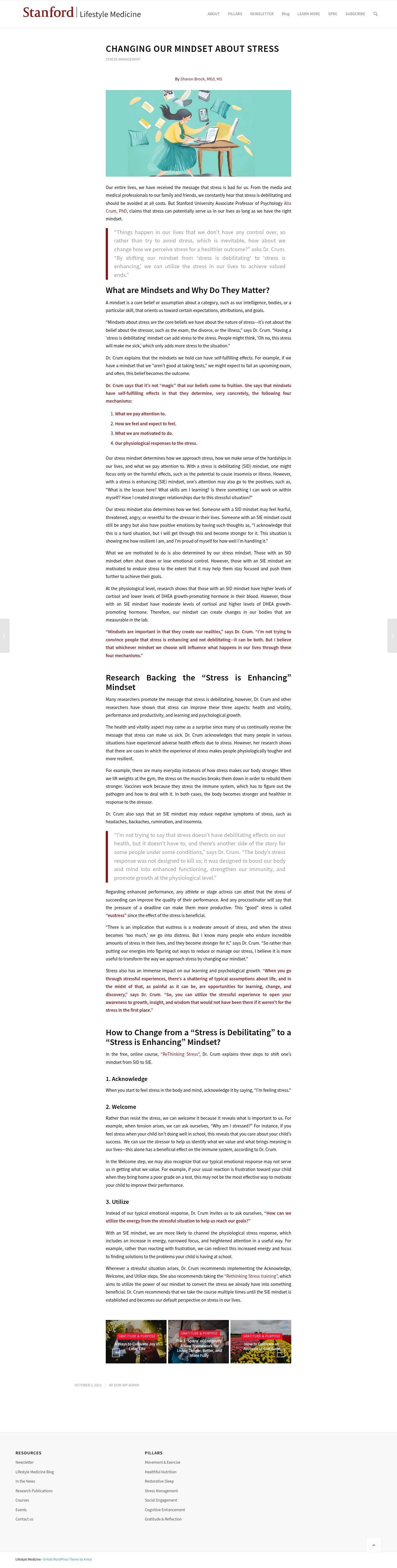
Changing Our Mindset About Stress

By Sharon Brock, MEd, MS

Our entire lives, we have received the message that stress is bad for us. From the media and medical professionals to our family and friends, we constantly hear that stress is debilitating and should be avoided at all costs. But Stanford University Associate Professor of Psychology Alia Crum, PhD, claims that stress can potentially serve us in our lives as long as we have the right mindset. 
A mindset is a core belief or assumption about a category, such as our intellig...

Women's Health

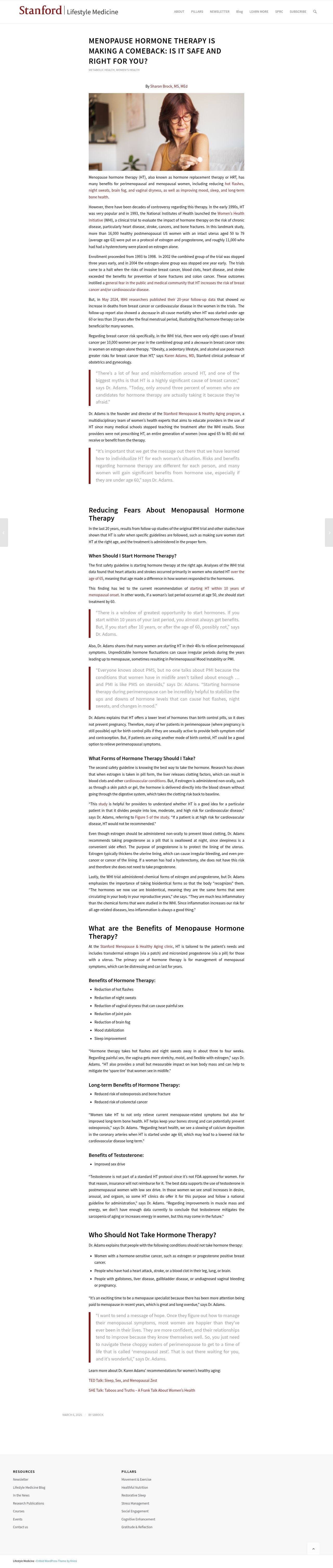
Menopause Hormone Therapy is Making a Comeback: Is it Safe and Right for You?

By Sharon Brock, MS, MEd

Menopause hormone therapy (HT), also known as hormone replacement therapy or HRT, has many benefits for perimenopausal and menopausal women, including reducing hot flashes, night sweats, brain fog, and vaginal dryness, as well as improving mood, sleep, and long-term bone health.
However, there have been decades of controversy regarding this therapy. In the early 1990s, HT was very popular and in 1993, the National Institutes of Health launched the Women’s Health Initiati...

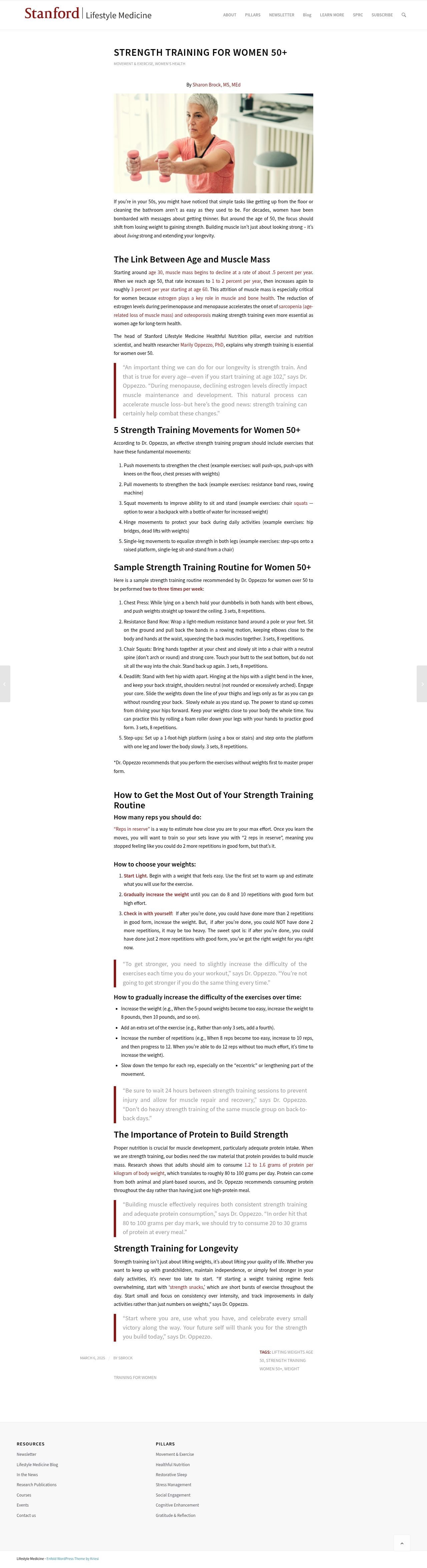
Strength Training for Women 50+

By Sharon Brock, MS, MEd

If you’re in your 50s, you might have noticed that simple tasks like getting up from the floor or cleaning the bathroom aren’t as easy as they used to be. For decades, women have been bombarded with messages about getting thinner. But around the age of 50, the focus should shift from losing weight to gaining strength. Building muscle isn’t just about looking strong – it’s about living strong and extending your longevity.
Starting around age 30, muscle mass begins to decl...

Everything You Need to Know About Pelvic Floor Health

By Sharon Brock, MS, MEd

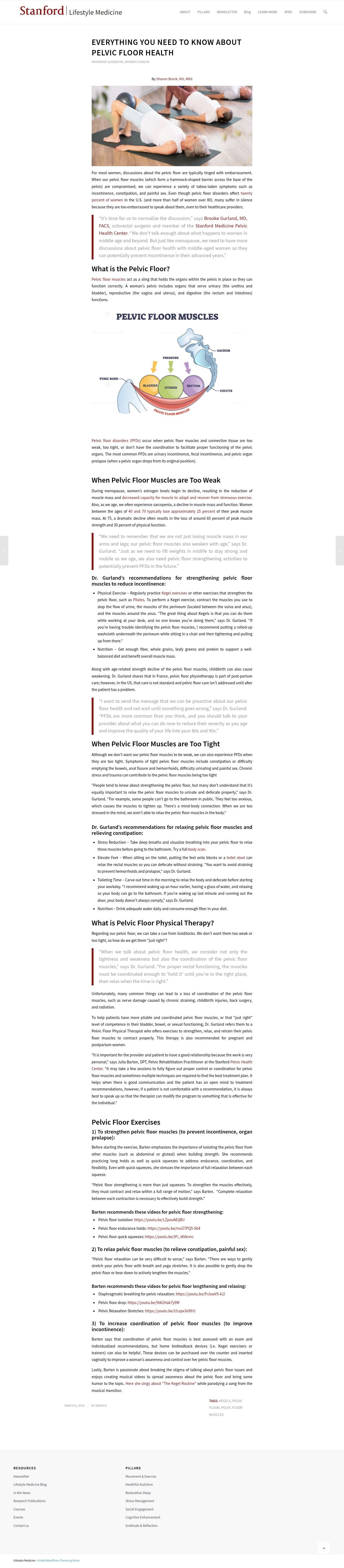
For most women, discussions about the pelvic floor are typically tinged with embarrassment. When our pelvic floor muscles (which form a hammock-shaped barrier across the base of the pelvis) are compromised, we can experience a variety of taboo-laden symptoms such as incontinence, constipation, and painful sex. Even though pelvic floor disorders affect twenty percent of women in the U.S. (and more than half of women over 80), many suffer in silence because they are too e...

5 Ways to Make Healthy Habits Stick—No Willpower Required

By Sharon Brock, MS, MEd

If you’ve already given up on your New Year’s resolutions, you’re not alone. Studies show that 88 percent of resolutions are broken within the first two weeks of January, and 95 percent are abandoned by the end of the month. Many people start a protocol on January 1st, stick with it for a couple of weeks, but then drop off and feel like a failure.
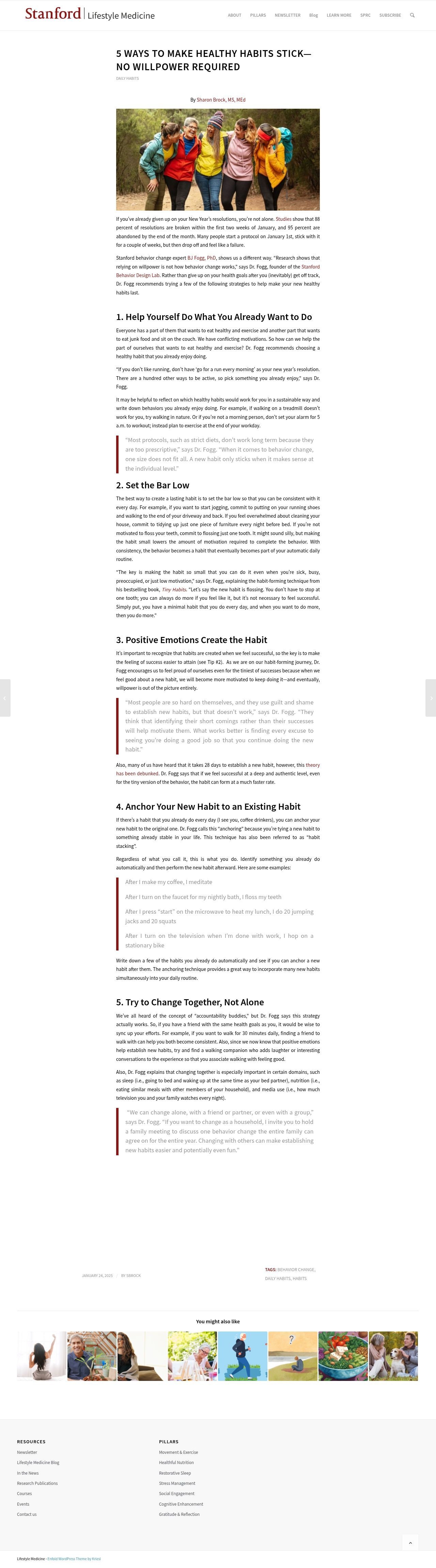
Stanford behavior change expert BJ Fogg, PhD, shows us a different way. “Research shows that relying on willpower is not how...

Profiles of Stanford Experts

Leading Behavior Scientist BJ Fogg, PhD: Not Your Traditional Academic

By Sharon Brock, MEd, MS

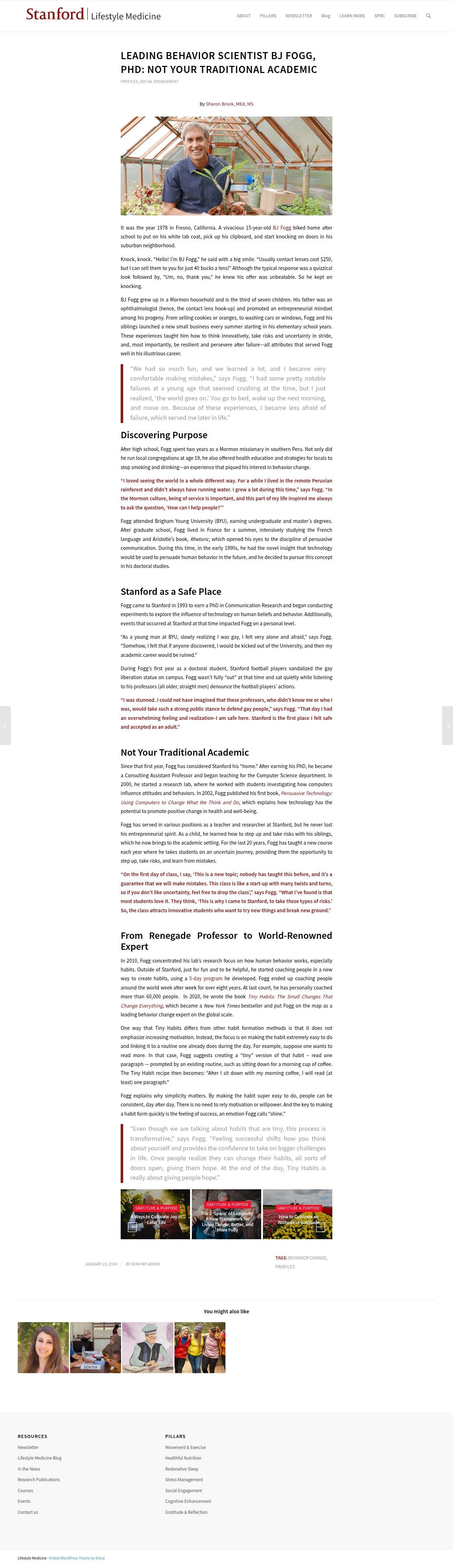
It was the year 1978 in Fresno, California. A vivacious 15-year-old BJ Fogg biked home after school to put on his white lab coat, pick up his clipboard, and start knocking on doors in his suburban neighborhood.
Knock, knock. “Hello! I’m BJ Fogg,” he said with a big smile. “Usually contact lenses cost $250, but I can sell them to you for just 40 bucks a lens!” Although the typical response was a quizzical look followed by, “Um, no, thank you,” he knew his offer was unbe...

Olympic Swimmer and Psychiatry Resident Andi Murez, MD, Shares Her Mindset for Success

By Sharon Brock, MEd, MS

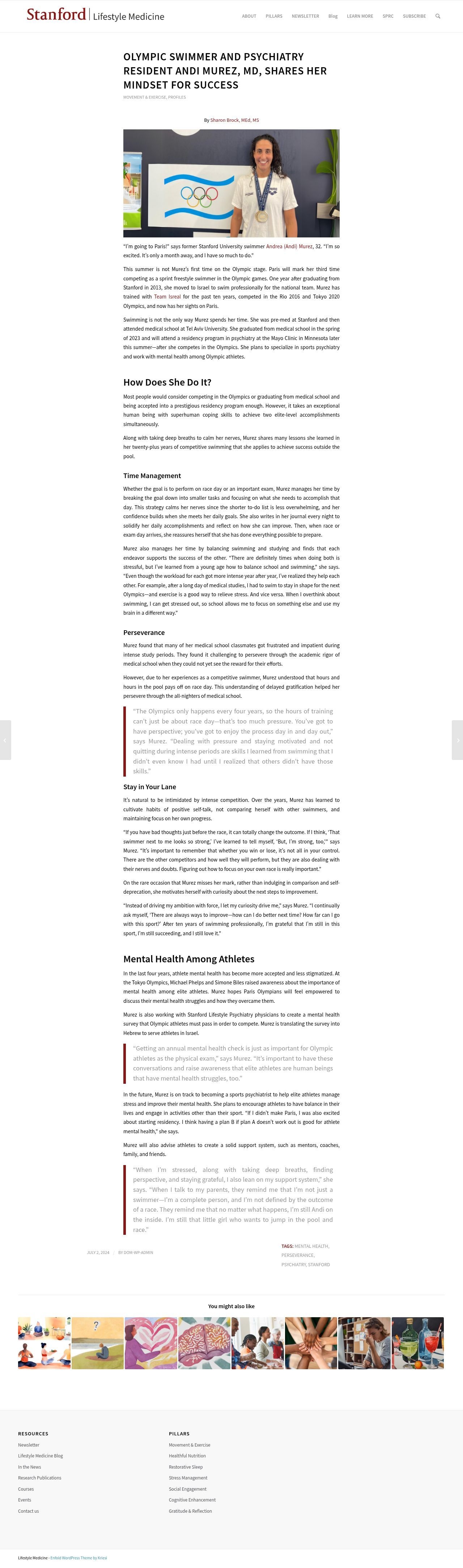
“I’m going to Paris!” says former Stanford University swimmer Andrea (Andi) Murez, 32. “I’m so excited. It’s only a month away, and I have so much to do.”
This summer is not Murez’s first time on the Olympic stage. Paris will mark her third time competing as a sprint freestyle swimmer in the Olympic games. One year after graduating from Stanford in 2013, she moved to Israel to swim professionally for the national team. Murez has trained with Team Isreal for the past ten...

Mobility Experts, Juliet and Kelly Starrett, Bring us Back to Basics

By Sharon Brock, MS, MEd

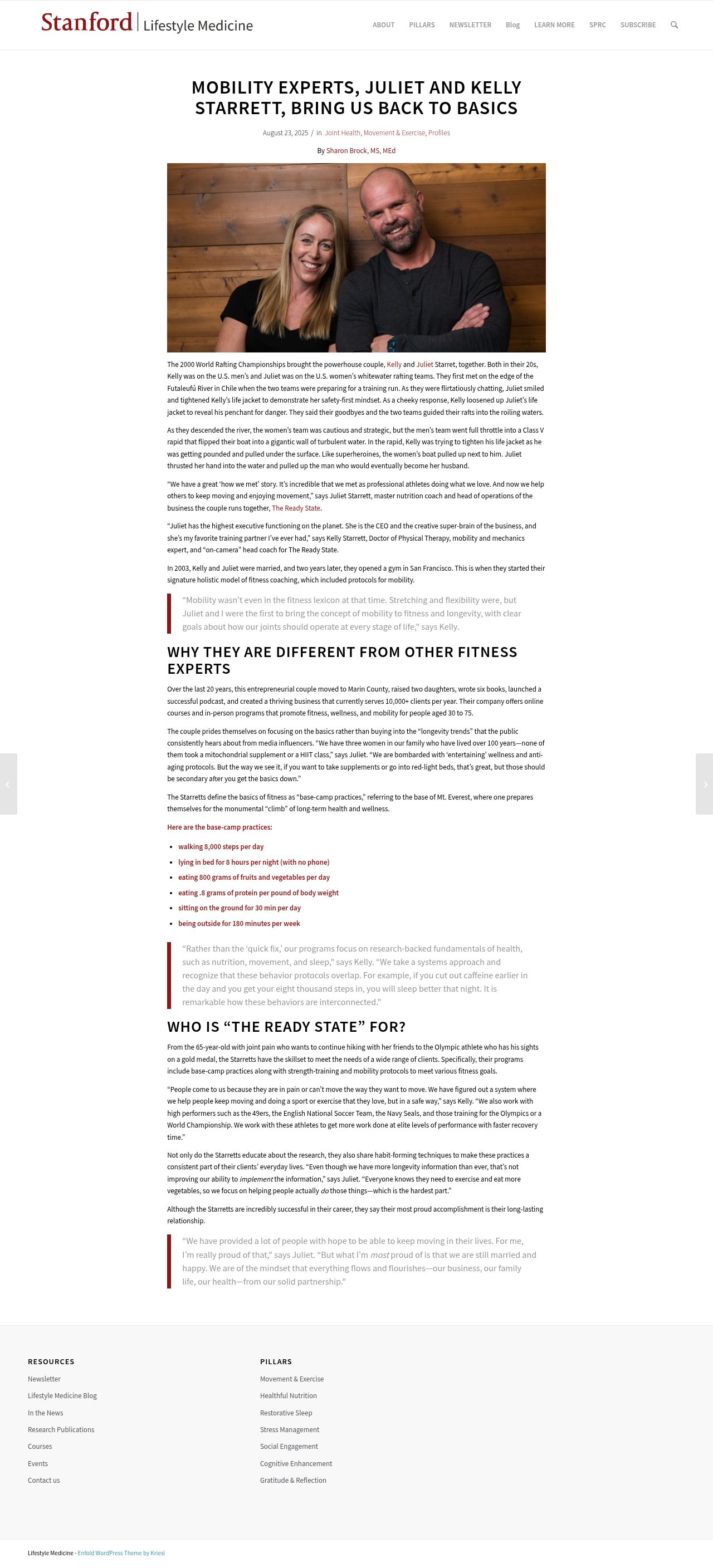
The 2000 World Rafting Championships brought the powerhouse couple, Kelly and Juliet Starret, together. Both in their 20s, Kelly was on the U.S. men’s and Juliet was on the U.S. women’s whitewater rafting teams. They first met on the edge of the Futaleufú River in Chile when the two teams were preparing for a training run. As they were flirtatiously chatting, Juliet smiled and tightened Kelly’s life jacket to demonstrate her safety-first mindset. As a cheeky response, Ke...

Douglas Noordsy, MD, Bringing Lifestyle Interventions to Psychiatry

By Sharon Brock, MEd, MS

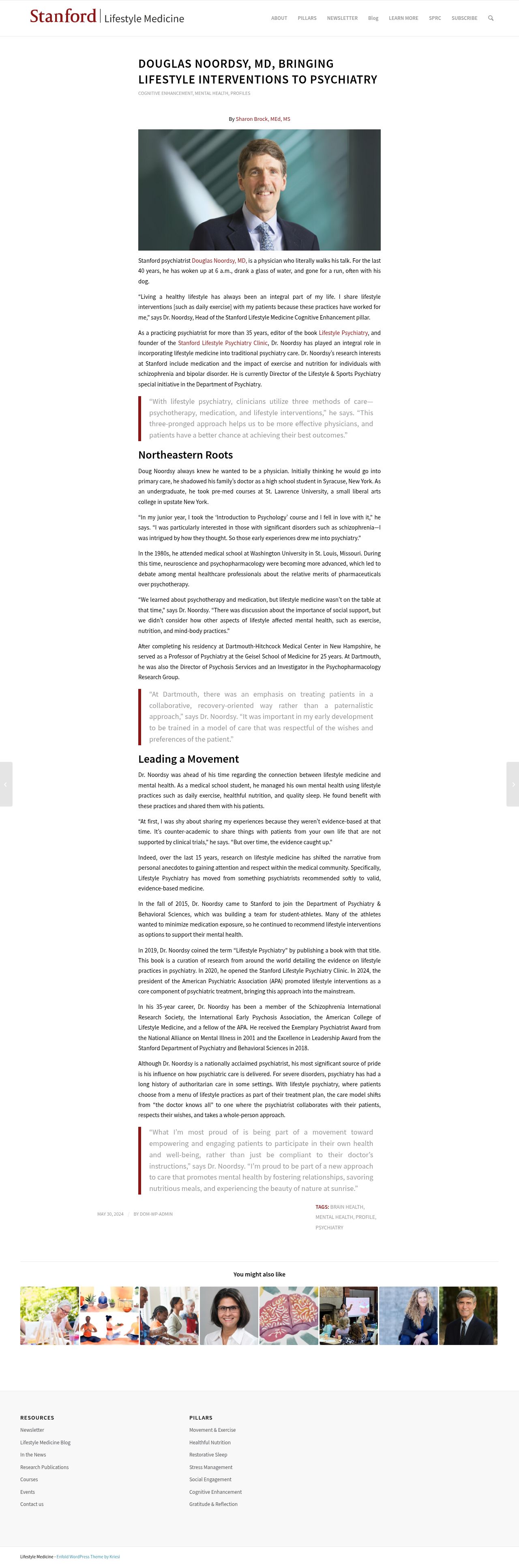
Stanford psychiatrist Douglas Noordsy, MD, is a physician who literally walks his talk. For the last 40 years, he has woken up at 6 a.m., drank a glass of water, and gone for a run, often with his dog.
“Living a healthy lifestyle has always been an integral part of my life. I share lifestyle interventions [such as daily exercise] with my patients because these practices have worked for me,” says Dr. Noordsy, Head of the Stanford Lifestyle Medicine Cognitive Enhancement...

Rachele Pojednic, PhD: Building Bridges in Nutrition Research

By Sharon Brock, MS, MEd

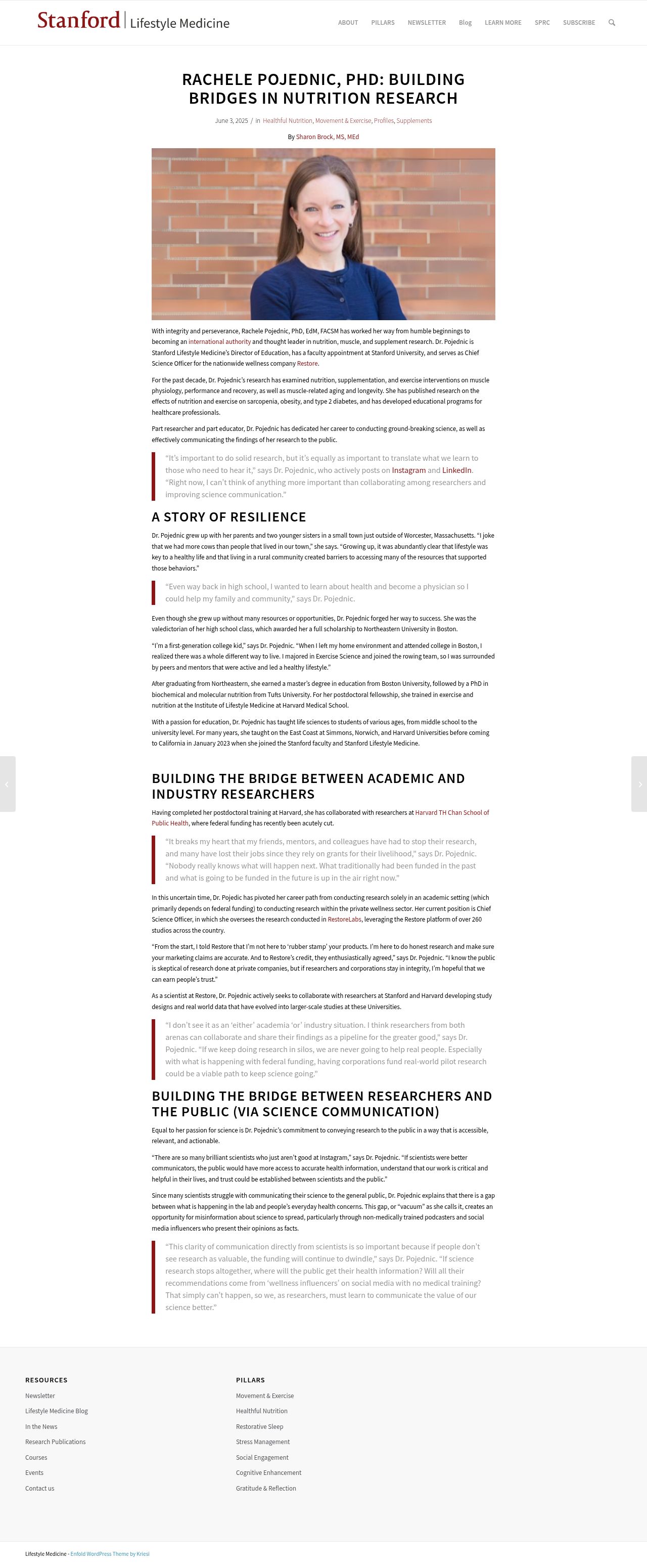
With integrity and perseverance, Rachele Pojednic, PhD, EdM, FACSM has worked her way from humble beginnings to becoming an international authority and thought leader in nutrition, muscle, and supplement research. Dr. Pojednic is Stanford Lifestyle Medicine’s Director of Education, has a faculty appointment at Stanford University, and serves as Chief Science Officer for the nationwide wellness company Restore.
For the past decade, Dr. Pojednic’s research has examined nut...

Stanford Sleep Doctor, Cheri D. Mah, Gives Professional Athletes a Winning Edge

By Sharon Brock, MS, MEd

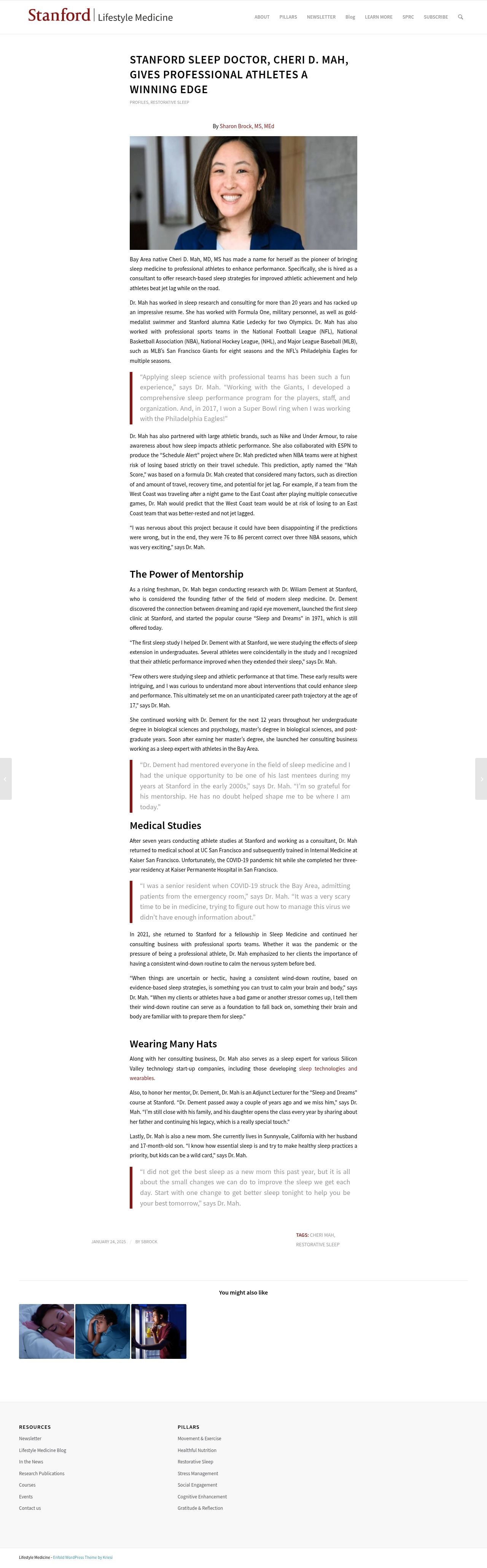
Bay Area native Cheri D. Mah, MD, MS has made a name for herself as the pioneer of bringing sleep medicine to professional athletes to enhance performance. Specifically, she is hired as a consultant to offer research-based sleep strategies for improved athletic achievement and help athletes beat jet lag while on the road.
Dr. Mah has worked in sleep research and consulting for more than 20 years and has racked up an impressive resume. She has worked with Formula One, mil...

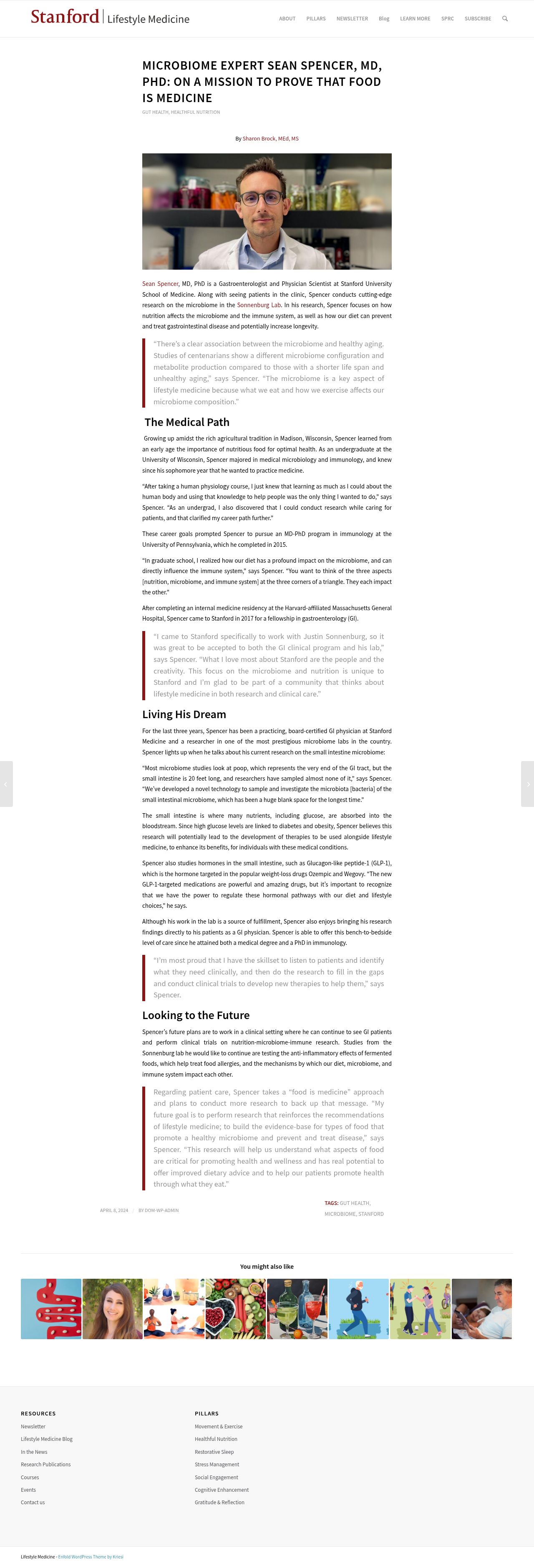
Microbiome Expert Sean Spencer, MD, PhD: On a Mission to Prove that Food is Medicine

By Sharon Brock, MEd, MS

Sean Spencer, MD, PhD is a Gastroenterologist and Physician Scientist at Stanford University School of Medicine. Along with seeing patients in the clinic, Spencer conducts cutting-edge research on the microbiome in the Sonnenburg Lab. In his research, Spencer focuses on how nutrition affects the microbiome and the immune system, as well as how our diet can prevent and treat gastrointestinal disease and potentially increase longevity.
 Growing up amidst the rich agricult...

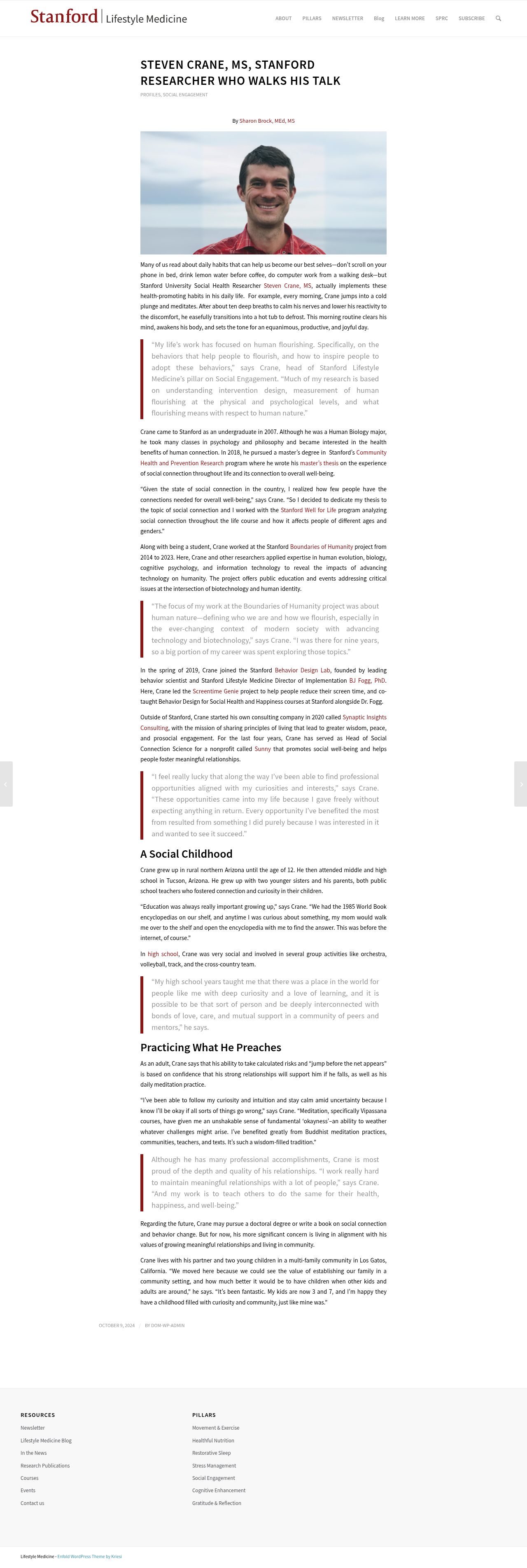
Steven Crane, MS, Stanford Researcher who Walks his Talk

By Sharon Brock, MEd, MS

Many of us read about daily habits that can help us become our best selves—don’t scroll on your phone in bed, drink lemon water before coffee, do computer work from a walking desk—but Stanford University Social Health Researcher Steven Crane, MS, actually implements these health-promoting habits in his daily life.  For example, every morning, Crane jumps into a cold plunge and meditates. After about ten deep breaths to calm his nerves and lower his reactivity to the dis...

Webinars I Produced

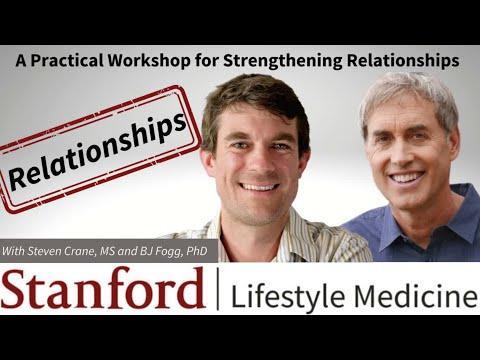
A Practical Workshop for Strengthening Relationships

Are you seeking to create more meaningful relationships in your life? Don't miss this opportunity to gain invaluable insights from Stanford Lifestyle Medicine's social health and behavior science experts Steven Crane, MS, and BJ Fogg, PhD.

#SocialConnections #SocialEngagement #HealthyRelationships #MentalHealth #TinyHabits #BehaviorScience #SocialHealth #Webinar #MeaningfulRelationships #PersonalGrowth #Wellbeing #StanfordResearch #stanfordlifestylemedicine #lifestylemedicine

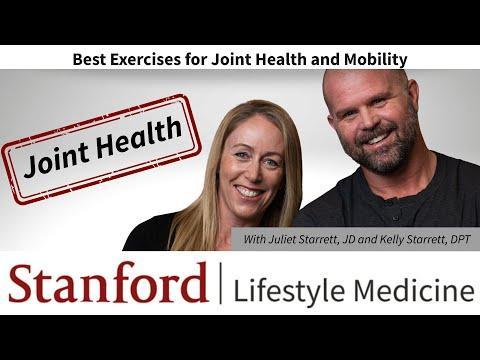
Best Exercises for Joint Health and Mobility

Stanford Lifestyle Medicine Assistant Director Anne Friedlander, PhD, moderates this webinar featuring fitness and mobility experts Kelly Starrett, DPT, and Juliet Starrett, JD of ⁨@TheReadyState.

Together, the Starretts demonstrate exercises that support joint issues and promote mobility throughout the lifespan.

Learn more about Stanford Lifestyle Medicine here: https://lifestylemedicine.stanford.edu/

Sign up for the free Stanford Lifestyle Medicine newsletter here: https://lifestylemedicine.stanford.edu/newsletters/

#jointpain #jointhealth #jointexercise #mobilityworkout #mobilityexercises #mobilityroutine #lifestylemedicine #stanford #stanfordlifestylemedicine

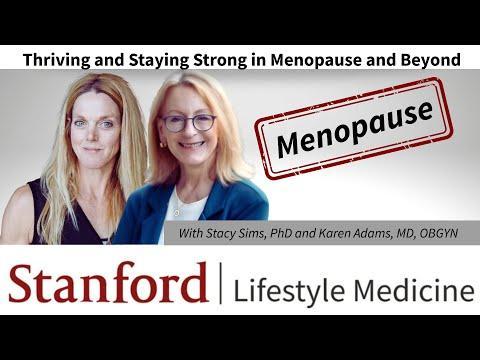
Thriving and Staying Strong through Menopause and Beyond

This Q&A webinar session hosted by Stanford Lifestyle Medicine features two Women’s Health and Menopause Experts: Stacy Sims, PhD, exercise physiologist and nutrition scientist, and Karen Adams, MD, OB-GYN, director of Stanford’s Menopause & Healthy Aging program.

Also featured in this webinar are moderators Anne Friedlander, PhD, who serves as Stanford Lifestyle Medicine Assistant Director and Adjunct Professor at Stanford University in the Program in Human Biology, and Rachele Pojednic, PhD, Stanford Lifestyle Medicine Director of Education and Adjunct Lecturer of Human Biology.

Learn more about Stanford Lifestyle Medicine and subscribe to our free newsletter at: https://lifestylemedicine.stanford.edu/

Learn more about Stanford Lifestyle Medicine here: https://lifestylemedicine.stanford.edu/

Sign up for the free Stanford Lifestyle Medicine newsletter here: https://lifestylemedicine.stanford.edu/newsletters/

#menopause, #womenshealth #perimenopause #menopausehealth #postmenopause #perimenopausesupport #menopausesupport #stanfordlifestylemedicine

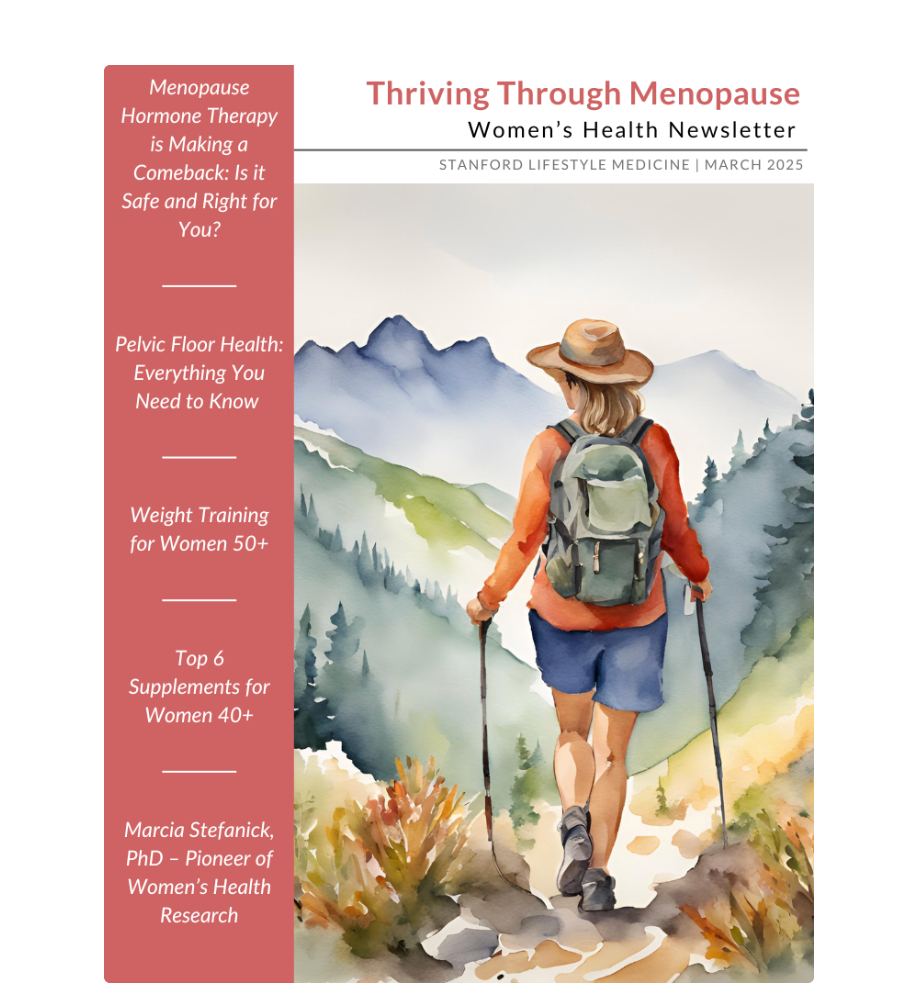
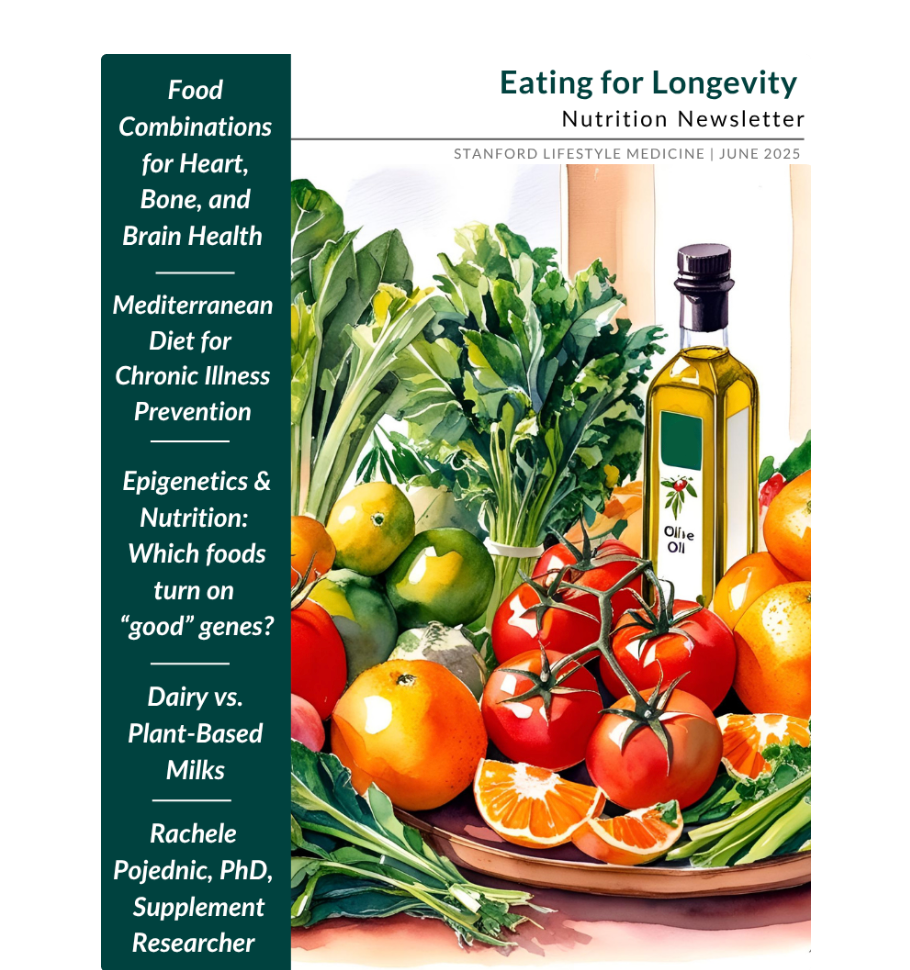
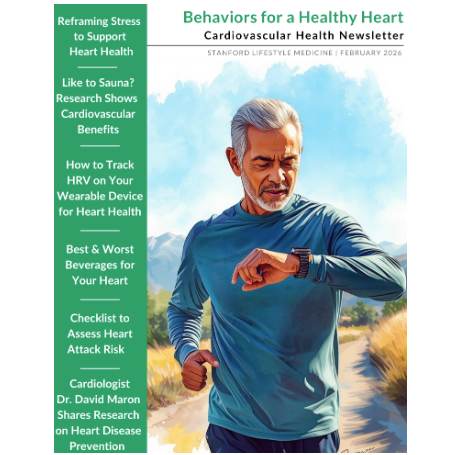
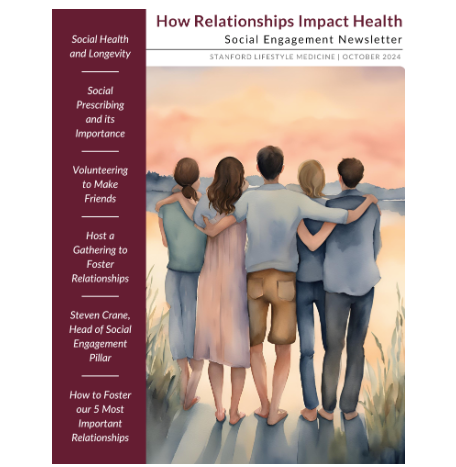
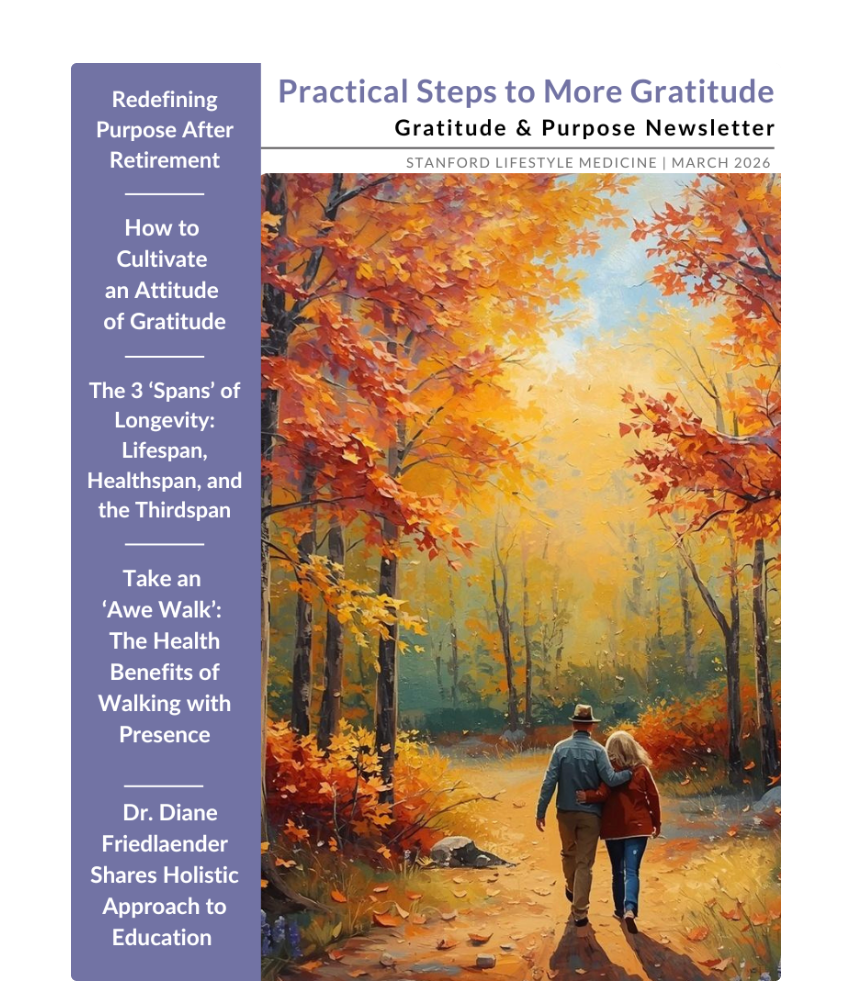
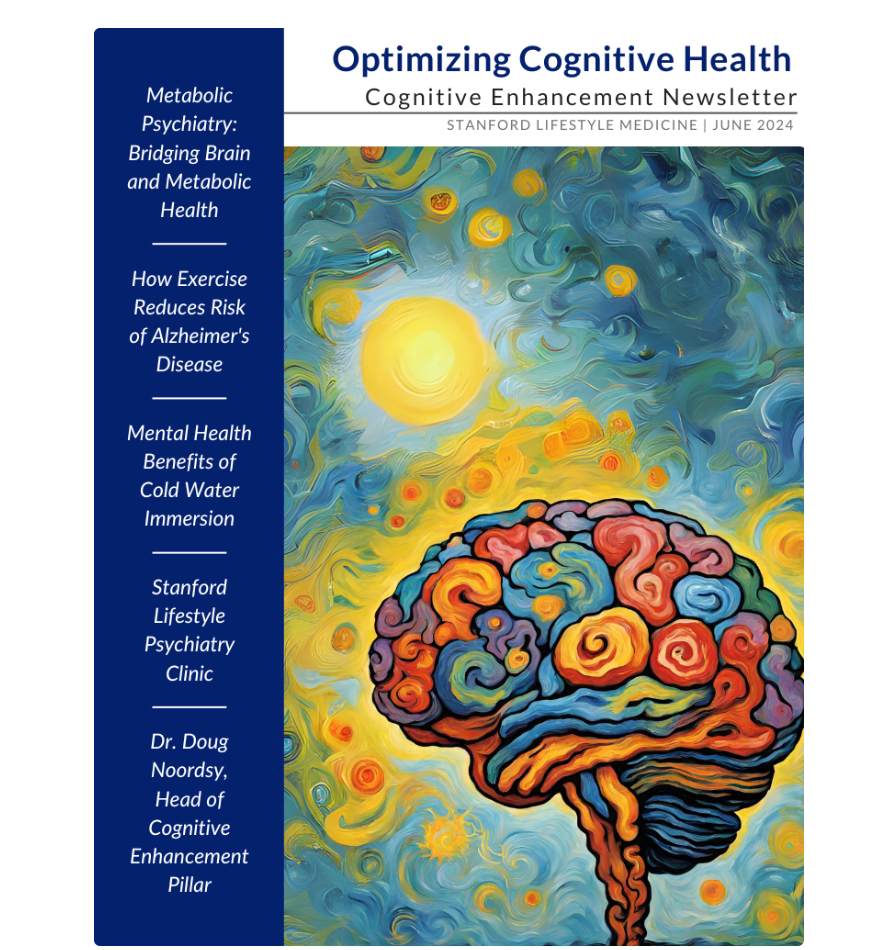
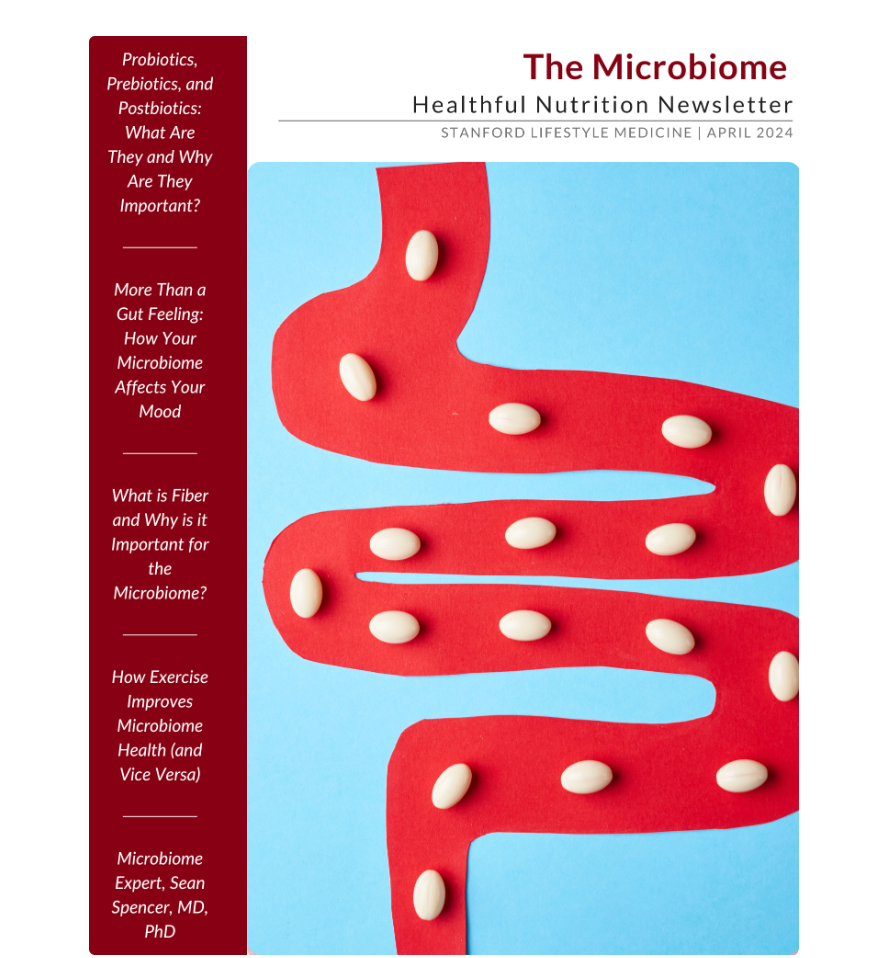
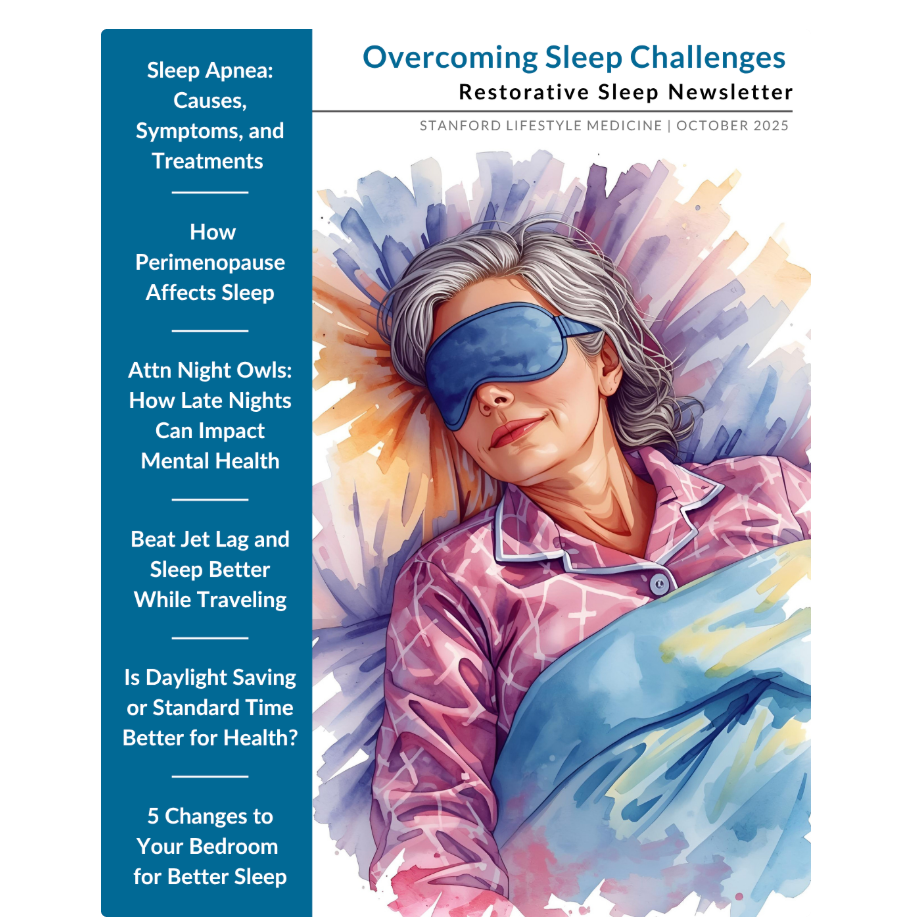
Publication Covers I Designed

The LOVEE Method was Featured in the Following Media:

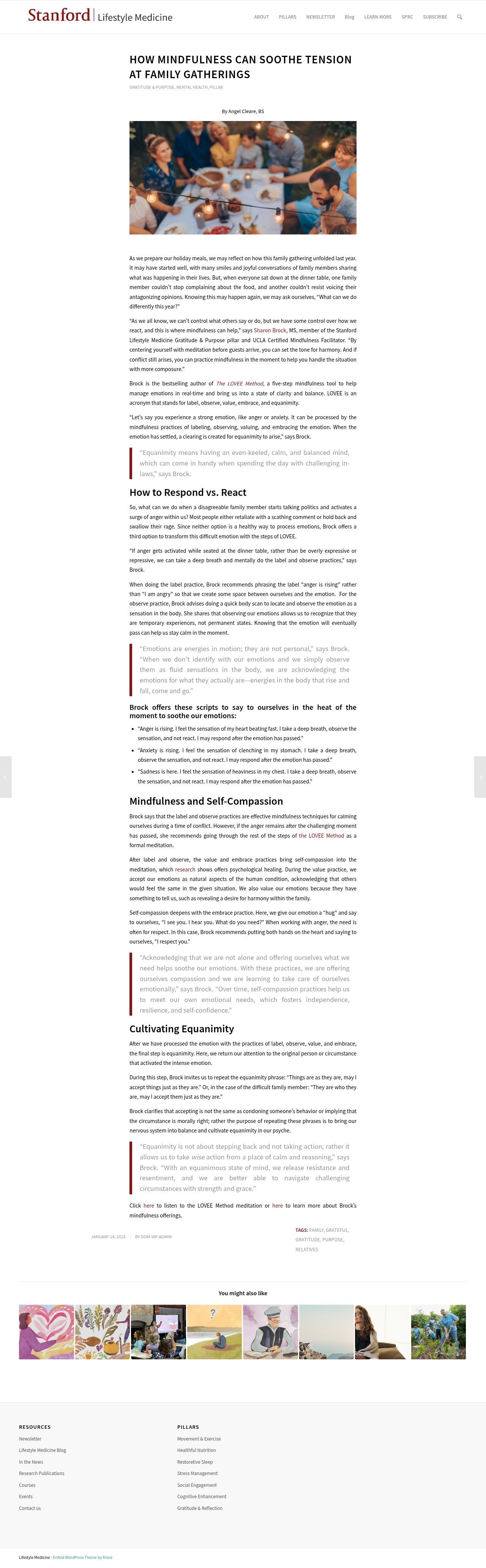
How Mindfulness Can Soothe Tension at Family Gatherings

As we prepare our holiday meals, we may reflect on how this family gathering unfolded last year. It may have started well, with many smiles and joyful conversations of family members sharing what was happening in their lives. But, when everyone sat down at the dinner table, one family member couldn’t stop complaining about the food, and another couldn’t resist voicing their antagonizing opinions. Knowing this may happen again, we may ask ourselves, “What can we do differen...

Sharon Brock | How to Manage Anxiety During Cancer Treatment

Sharon is a breast cancer survivor, UCLA-trained certified mindfulness teacher, and bestselling author of the book, The LOVEE Method: Mindfulness Meditation for Breast Cancer. In this teaching memoir, Sharon shares her personal story of using The LOVEE Method (a 5-step mindfulness tool) to manage anxiety, anger, and depression during breast cancer treatment. The book includes meditations for support during and after chemotherapy, and post-surgery for pain management and optimal healing, making t...

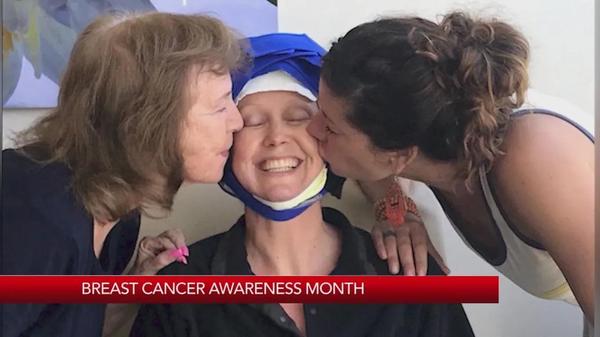
Bay Area breast cancer survivor on her recovery, new book

(KRON) — October marks Breast Cancer Awareness month. Nearly 300,000 Americans are diagnosed with breast cancer each year. That’s why it’s important for women especially to get a regular check-up. 


Sharon Brock is a Bay Area-based survivor who took what she learned through the experience of chemotherapy and recovery and put it all in a book to help others through their journeys.


“It just really helped me turn my pain into purpose,” she said.
At 44 years old, Brock, a health and wellness jo...

I'm Seeking New Opportunities

If you are a recruiter or hiring manager seeking an Editorial Director, Sr. Content Marketer, Corporate Health/Wellness Educator, or Senior/Managing Editor related to health, wellness, medical, or longevity science, please reach out to me. 

Message successfully sent!

This site is protected by reCAPTCHA and the Google Privacy Policy and Terms of Service apply.